What long-term research shows
In AREDS2, thousands of people took lutein and zeaxanthin daily for about five years. NIH replaced beta-carotene with lutein and zeaxanthin in the final formula, in part because beta-carotene was linked to higher lung-cancer risk in former smokers (NEI; PubMed).
Possible side effects
| Effect | How common | What to do |
|---|---|---|
| Yellowish skin tint (carotenodermia) | Only with very high carotenoid intake | Harmless; fades when intake drops |
| Mild stomach upset | Uncommon | Take with a meal |
| Allergic reaction | Rare | Stop and seek care |
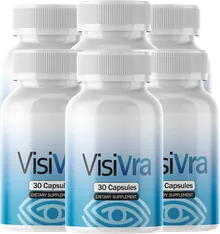
Best Visivra price today: 6 bottles at $49 each (save $780) or 3 bottles at $69 each with free US shipping. One-time payment, no autoship, 60 days to decide.
Check Today’s Discount ›Who should ask first
Pregnant or nursing women (see Visivra in pregnancy), smokers taking any carotenoid formula, and people on multiple medicines. Use the general NIH guidance on supplements (NIH ODS).
Food first, then supplements
Leafy greens are the richest food source (foods high in lutein). Supplements help when diet falls short.
How much lutein is in food vs supplements?
A large serving of cooked spinach or kale can provide several milligrams of lutein, while a typical American diet provides much less, often only a milligram or two a day. Eye supplements commonly provide amounts in the range used in AREDS2 (10 mg) or below (PubMed). Because lutein from food and supplements is the same molecule, the safety picture at these levels is reassuring: lutein has no established upper limit, and long-term trial use did not raise safety concerns.
Lutein and absorption
Lutein is fat-soluble. Taking it with a meal that contains some fat improves absorption. People who take fat-blocking weight-loss medicines, or who have conditions that affect fat absorption, may absorb less; ask your doctor if that applies to you. Very high-fiber meals and some cholesterol-lowering products may also reduce carotenoid absorption.
Who should be extra careful
| Group | Advice |
|---|---|
| Pregnant or breastfeeding | Lutein from food is fine; ask before supplements, especially multi-ingredient ones with vitamin A (details) |
| Current or former smokers | Avoid beta-carotene supplements; ask your doctor about any carotenoid product (NEI) |
| People on several medicines | Show your pharmacist the full label (NCCIH) |
| Children | Get lutein from food; adult supplements aren’t designed for them |
Carotenodermia: the harmless yellow tint
Eating very large amounts of carotenoid-rich foods or supplements over time can give the skin, especially palms and soles, a yellow-orange tint. It is most often seen with carrots and beta-carotene, but any carotenoid can contribute. It is harmless and fades gradually when intake falls. Unlike jaundice, the whites of the eyes stay white. If you notice yellowing of the eyes, see a doctor promptly, because that has other causes.
Interactions to know about
Lutein isn’t known for serious drug interactions, but multi-ingredient eye formulas also contain other nutrients. In Visivra’s case, vitamin A and zinc are the ones to count against NIH upper limits (NIH ODS; NIH ODS). If you take a multivitamin as well, add up both labels. See zinc for eye health.
The bottom line on safety
For most adults, daily lutein with a meal is one of the safest supplement choices there is. Pair it with zeaxanthin (why the pair matters) and leafy greens, and you are supporting your macula with the nutrients the research uses.
Reader questions
Can lutein cause headaches?
Headaches aren’t a recognised side effect at normal doses. In the screen-time trial, people taking macular carotenoids actually reported fewer headaches than the placebo group (PubMed).
Can I take lutein with blood pressure medicine?
There are no well-known interactions, but show your pharmacist any multi-ingredient product you take.
Is lutein safe for the liver or kidneys?
At usual supplement doses, it isn’t known to cause problems. People with liver or kidney disease should ask their doctor before any supplement.
In short
Lutein is one of the safest and best-studied eye nutrients. Take it with food, pair it with zeaxanthin, keep an eye on other ingredients in combination products, and ask first if you are pregnant, nursing or smoke.
Lutein through life
Lutein matters at every age. It is present in breast milk and concentrated in the developing eye and brain. In adulthood, intake depends almost entirely on diet, and many people eat far fewer leafy greens than recommended. In later life, interest grows because of the macula’s role in sharp central vision and the AREDS2 findings (NEI). Throughout, food is the foundation: greens, eggs, corn and peppers. Supplements are an option for adults who want steady intake, and the safety record at usual doses is reassuring. Children should get lutein from food rather than adult supplements.
One more reader question
Can lutein interact with alcohol?
There’s no well-known interaction, but heavy drinking affects nutrient absorption and liver health overall. Take supplements with food rather than with alcohol.
Tip: if you take several carotenoid products, such as a multivitamin with beta-carotene plus an eye formula, show both labels to your pharmacist so they can check your total intake.
Lutein in Visivra
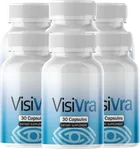
Visivra pairs lutein with zeaxanthin, bilberry, astaxanthin, zinc and vitamin A in one daily capsule; follow the label dose. Also see astaxanthin side effects. See Visivra.
FAQ
Is it safe to take lutein every day?
Yes for most adults at usual supplement doses; AREDS2 participants took it daily for years.
Can lutein turn your skin yellow?
Very high carotenoid intake can cause a harmless yellow tint that fades.
Is lutein safe for smokers?
AREDS2 used lutein/zeaxanthin instead of beta-carotene partly for smokers’ safety, but smokers should still ask their doctor.
Sources
- National Eye Institute (NIH): AREDS/AREDS2 clinical trials
- PubMed: Lutein + zeaxanthin and omega-3 fatty acids for AMD, the AREDS2 randomized trial (JAMA, 2013)
- NIH Office of Dietary Supplements: Dietary supplements, what you need to know
- NCCIH (NIH): Using dietary supplements wisely
- NIH Office of Dietary Supplements: Vitamin A and carotenoids
- NIH Office of Dietary Supplements: Zinc
- PubMed: Macular carotenoid supplementation improves visual performance, sleep quality and physical symptoms in people with high screen time (Foods, 2017)
General information, not medical advice. Prices and product details come from the official Visivra order page and bottle, checked November 6, 2026; the checkout page and the label on your bottle take priority. Read our disclaimer.