Where it is and what it does
The macula is a small area of the retina responsible for sharp central vision: reading, driving, faces. Its center looks yellow because it holds a high concentration of lutein and zeaxanthin, the macular pigment. This pigment:
- absorbs short-wavelength blue light before it reaches the photoreceptors,
- neutralizes free radicals in one of the body’s most oxygen-hungry tissues,
- is linked to visual performance such as glare and contrast.
Why it matters with age and screens
Lutein and zeaxanthin are the carotenoids NIH placed in the AREDS2 eye formula (NEI). In heavy screen users, raising macular carotenoids improved visual performance and eased eye strain (PubMed).
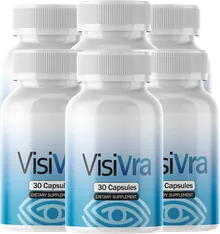
Best Visivra price today: 6 bottles at $49 each (save $780) or 3 bottles at $69 each with free US shipping. One-time payment, no autoship, 60 days to decide.
Check Today’s Discount ›How to raise macular pigment
| Way | How it helps |
|---|---|
| Leafy greens (kale, spinach, collards) | Richest food sources (NEI) |
| Eggs, corn, orange peppers | Smaller amounts, well absorbed |
| Lutein + zeaxanthin supplements | Raise pigment density (PubMed) |
| Not smoking | Smoking is linked to lower pigment and higher AMD risk |
Food ideas in foods high in lutein; why the pair works in lutein and zeaxanthin together.
How long it takes
Weeks to months. Pigment rises gradually with consistent intake, which is why eye nutrition studies run 12 weeks to 6 months.
How macular pigment is measured
Eye researchers measure macular pigment optical density (MPOD), a number that reflects how much blue light the pigment absorbs at the center of the retina. It is usually measured with a quick, painless test in which you compare flickering lights. Some eye clinics offer it, but it isn’t part of a standard eye exam. In studies, MPOD rises gradually when people eat more lutein and zeaxanthin or take supplements; a 2024 network meta-analysis of many trials confirmed that carotenoid supplements raise MPOD (PubMed).
Why some people have more than others
| Factor | Effect on macular pigment |
|---|---|
| Diet rich in leafy greens and eggs | Higher |
| Smoking | Lower |
| High body fat | Often lower, as fat tissue also stores carotenoids |
| Age | Varies; may decline in some people |
| Genetics | Affects how well carotenoids are absorbed and transported |
Macular pigment and everyday vision
Because it filters scattered blue light, macular pigment is linked with how well you handle glare and see contrast. In a six-month trial in young adults with heavy screen exposure, raising macular carotenoids improved measures of visual performance and reduced reports of eye strain, eye fatigue and headaches compared with placebo (PubMed). That is one reason screen users are interested in it, not just older adults worried about AMD.
Meso-zeaxanthin: the third carotenoid
The macula contains a third carotenoid, meso-zeaxanthin, mostly formed in the eye from lutein. It sits at the very center along with zeaxanthin. Some supplements add it directly; others rely on the body making it from lutein. Either way, getting enough lutein is the foundation.
A 12-week plan to support your macular pigment
- Daily: one source of lutein and zeaxanthin, such as Visivra with a meal (timing tips).
- Most days: a serving of leafy greens or eggs.
- Always: don’t smoke, and wear UV-blocking sunglasses outdoors (NEI).
- Every week: note how your eyes feel at the end of screen-heavy days.
- Every 1–2 years: a dilated eye exam, or as your doctor advises (NEI).
Macular pigment and AMD
Lutein and zeaxanthin are part of the NIH AREDS2 formula for people with intermediate AMD (NEI). Whether higher macular pigment prevents AMD in healthy people hasn’t been proven, so treat it as part of a healthy-eye lifestyle rather than a guarantee. See Visivra and macular degeneration.
Reader questions
Can I test my macular pigment at home?
No. Measurement needs specialised equipment, available at some eye clinics and research centres.
Does eating more eggs raise macular pigment?
Eggs provide well-absorbed lutein and zeaxanthin and can help, especially alongside leafy greens.
Is macular pigment the same as the yellow in cataracts?
No. Macular pigment is in the retina at the back of the eye. Age-related yellowing of the lens is a separate change at the front (NEI).
In short
Macular pigment is your eye’s built-in blue-light filter and antioxidant shield. You build it from lutein and zeaxanthin in food and supplements, slowly and steadily. Eat greens and eggs, don’t smoke, and consider a daily source if your diet falls short.
Macular pigment across a lifetime
Macular pigment begins forming in infancy and depends on diet throughout life. Because many adults eat few leafy greens, their macular pigment may be lower than it could be. The good news is that research shows it responds to increased intake at any age (PubMed).
One more reader question
Does macular pigment protect against screens specifically?
Macular pigment filters blue light from any source, including the sun, LED lighting and screens. In a trial of young adults with high screen exposure, raising macular carotenoids improved visual performance and reduced eye strain, fatigue and headaches compared with placebo (PubMed). That suggests it plays a role in screen comfort, alongside breaks and good habits.
A simple daily step
Visivra supplies lutein and zeaxanthin in one daily capsule, plus bilberry, astaxanthin, zinc and vitamin A. See Visivra.
FAQ
What is macular pigment made of?
Lutein and zeaxanthin from your diet, plus meso-zeaxanthin formed in the eye.
Can you increase macular pigment?
Yes. Leafy greens and lutein/zeaxanthin supplements raise it over weeks to months.
Why is macular pigment yellow?
Lutein and zeaxanthin are yellow carotenoids, which is also why they absorb blue light.
Sources
- National Eye Institute (NIH): AREDS/AREDS2 clinical trials
- PubMed: Macular carotenoid supplementation improves visual performance, sleep quality and physical symptoms in people with high screen time (Foods, 2017)
- National Eye Institute (NIH): Keep your eyes healthy
- PubMed: Antioxidant supplementation, macular pigment optical density and visual function, a network meta-analysis (Adv Nutr, 2024)
- National Eye Institute (NIH): Get a dilated eye exam
- National Eye Institute (NIH): Cataracts
General information, not medical advice. Prices and product details come from the official Visivra order page and bottle, checked November 6, 2026; the checkout page and the label on your bottle take priority. Read our disclaimer.