Two carotenoids, one job
Both are yellow carotenoids from plants. In the eye, zeaxanthin (and meso-zeaxanthin) dominates the very center, and lutein the surrounding area, so together they cover the whole macula. See macular pigment.
The research uses them together
- AREDS2: 10 mg lutein + 2 mg zeaxanthin replaced beta-carotene in NIH’s formula (NEI; PubMed).
- Screen users: combined macular carotenoids improved visual performance and eased eye strain (PubMed).
- Meta-analysis: carotenoid supplementation raised macular pigment density (PubMed).
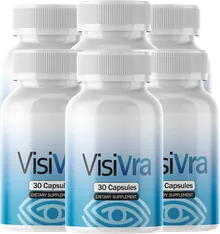
Best Visivra price today: 6 bottles at $49 each (save $780) or 3 bottles at $69 each with free US shipping. One-time payment, no autoship, 60 days to decide.
Check Today’s Discount ›Food sources of each
| Food | Richer in |
|---|---|
| Kale, spinach, collards | Lutein |
| Corn, orange peppers, goji berries | Zeaxanthin |
| Egg yolks | Both, well absorbed |
More in foods high in lutein.
How to take them
Daily, with a meal containing fat, for months. Safety: lutein side effects.
How your body handles the pair
After you eat lutein and zeaxanthin with some fat, they are absorbed in the small intestine, packaged into fat particles and carried in the blood by lipoproteins. The retina takes them up selectively, using specific binding proteins, which is why the macula holds far higher concentrations than other tissues. Some lutein is converted into meso-zeaxanthin in the eye. This selective uptake is one reason scientists believe these carotenoids have a special role in vision.
Lutein vs zeaxanthin at a glance
| Lutein | Zeaxanthin | |
|---|---|---|
| Where in the macula | Spread across, more toward the edges | Concentrated at the very center |
| Main food sources | Kale, spinach, collards | Corn, orange peppers, goji berries, egg yolk |
| Amount in typical diet | Higher | Lower |
| AREDS2 dose | 10 mg | 2 mg |
Benefits linked to the pair
- Macular pigment: carotenoid supplements raise density (PubMed).
- Visual performance with screens: better contrast and glare measures, and fewer strain symptoms, in a six-month trial (PubMed).
- AMD progression: part of the AREDS2 formula for people with intermediate AMD (PubMed).
- Safer than beta-carotene for former smokers in the AREDS2 context (NEI).
Who might benefit most
People who rarely eat leafy greens, heavy screen users, adults over 50, people with a family history of AMD (with their doctor’s advice), and anyone who smokes or used to (who should avoid beta-carotene instead). For safety details, read lutein side effects.
Pairing them with other eye nutrients
Lutein and zeaxanthin cover the macula. Anthocyanins from bilberry and the antioxidant astaxanthin have been tested alongside lutein for eye fatigue in people with heavy eye use (PubMed). Vitamin A and zinc support low-light vision (NIH ODS). A formula that combines them, like Visivra, covers several angles in one capsule. Read anthocyanins for eyes and astaxanthin.
Reader questions
Can I take zeaxanthin without lutein?
You can, but most research uses them together, and your body naturally gets both from food.
Is a 5:1 ratio essential?
It is the AREDS2 ratio (PubMed) and a common reference. Other ratios also raise macular pigment.
Do they help with dark circles or skin?
Some research explores carotenoids and skin, but we focus on eye health and won’t make skin claims.
How long before macular pigment rises?
Weeks to months with daily intake (PubMed).
Can I take them with a statin?
No well-known interaction, but statins lower some fat-carrying particles that transport carotenoids; ask your doctor.
Practical ways to get both every day
The easiest food habit is an egg-and-greens breakfast a few times a week: two eggs scrambled with a handful of spinach and a little olive oil gives you both carotenoids in a well-absorbed form. At lunch, add romaine or kale to sandwiches and wraps. For dinner, sweetcorn, peas, orange peppers and broccoli all add zeaxanthin and lutein. Snack on pistachios. Then, on days when vegetables fall short, a daily supplement keeps intake steady. Visivra contains both carotenoids along with bilberry, astaxanthin, zinc and vitamin A, so one capsule with a meal covers the pair. Whatever you choose, consistency matters more than any single big serving, because macular pigment builds slowly over weeks and months (PubMed). Check in with your eye comfort every few weeks, and keep your dilated exams on schedule (NEI).
Common mistakes with lutein and zeaxanthin
- Taking them on an empty stomach: they need some fat for absorption.
- Expecting results in days: give it 8–12 weeks.
- Choosing beta-carotene instead, especially if you smoke: AREDS2 moved away from beta-carotene for this reason (NEI).
- Stacking several eye products: check vitamin A and zinc totals.
In short
Lutein and zeaxanthin are a natural pair. Get them from greens, eggs and corn, add a daily source if needed, and give them months to build.
One more reader question
Do lutein and zeaxanthin help night vision?
Their main role is in the macula, which handles sharp central vision in good light. Research in screen users found better glare and contrast performance with macular carotenoids (PubMed), which can make dusk and headlight glare easier to handle. Night vision itself depends more on rod cells and vitamin A (NIH ODS). That’s why many eye formulas, including Visivra, combine the carotenoid pair with vitamin A and zinc.
The pair in Visivra
Visivra combines lutein and zeaxanthin with bilberry, astaxanthin, zinc and vitamin A. Compare it with plain lutein. See Visivra.
FAQ
Should lutein and zeaxanthin be taken together?
Yes. They work as a pair in the macula, and most research tests them together.
What is the best ratio of lutein to zeaxanthin?
AREDS2 used 10 mg lutein to 2 mg zeaxanthin (5:1).
What foods have both?
Egg yolks, leafy greens and corn contain both in different amounts.
Sources
- National Eye Institute (NIH): AREDS/AREDS2 clinical trials
- PubMed: Lutein + zeaxanthin and omega-3 fatty acids for AMD, the AREDS2 randomized trial (JAMA, 2013)
- PubMed: Macular carotenoid supplementation improves visual performance, sleep quality and physical symptoms in people with high screen time (Foods, 2017)
- PubMed: Antioxidant supplementation, macular pigment optical density and visual function, a network meta-analysis (Adv Nutr, 2024)
- PubMed: Anthocyanin, astaxanthin and lutein on eye functions, a randomized placebo-controlled study (J Clin Biochem Nutr, 2021)
- NIH Office of Dietary Supplements: Vitamin A and carotenoids
- National Eye Institute (NIH): Get a dilated eye exam
General information, not medical advice. Prices and product details come from the official Visivra order page and bottle, checked November 6, 2026; the checkout page and the label on your bottle take priority. Read our disclaimer.