What astaxanthin is
Astaxanthin gives salmon and flamingos their pink color. It is a ketocarotenoid with strong antioxidant activity, reviewed in detail in an NIH-hosted article (PMC review).
How it was tolerated in eye research
In a randomized, placebo-controlled study of anthocyanins, astaxanthin and lutein, participants took the combination daily and eye-function scores improved vs placebo (PubMed). The combination is the same idea used in Visivra.
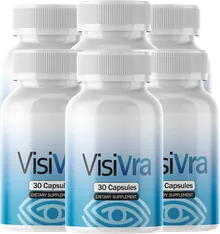
Best Visivra price today: 6 bottles at $49 each (save $780) or 3 bottles at $69 each with free US shipping. One-time payment, no autoship, 60 days to decide.
Check Today’s Discount ›Possible side effects
- Mild stomach discomfort: take with food.
- Very high carotenoid intake can tint skin; unlikely at usual doses.
- Allergic reaction is rare; seafood-allergic people should check the source on the label.
Who should check with a doctor
Pregnant or nursing women, children, people on blood thinners or blood-pressure medicines, and anyone with a hormone-sensitive condition. General supplement safety advice: NCCIH.
Where astaxanthin comes from
Most astaxanthin in supplements comes from a microalga called Haematococcus pluvialis, which produces large amounts when stressed by light. Other sources include krill and some synthetic forms used mainly in fish feed. Wild salmon get their pink color by eating organisms that contain astaxanthin. Because supplement sources differ, people with seafood allergies or who prefer algae-based products should check the label or ask the seller.
Why researchers study it for eyes
Astaxanthin is a strong antioxidant with a structure that spans cell membranes, which may help protect them from oxidative damage (PMC review). The retina and the focusing muscles of the eye are metabolically active and exposed to light, so researchers have studied astaxanthin for eye fatigue and accommodation (focusing), often in combination with other nutrients. The placebo-controlled study combining anthocyanins, astaxanthin and lutein is a good example (PubMed).
Possible interactions to discuss with your doctor
| If you take… | Why ask |
|---|---|
| Blood pressure medicines | Some antioxidants are studied for blood pressure effects; your doctor can monitor |
| Blood thinners | Ask about any new supplement |
| Hormone treatments | Limited data; ask first |
| Several prescription medicines | Pharmacist review is quick and worthwhile (NCCIH) |
Quality and storage
Astaxanthin is sensitive to light, heat and oxygen. Keep supplements in a closed bottle, in a cool, dry place and away from sunlight. Don’t leave bottles in a hot car. Bottles from unknown marketplace sellers may have been stored poorly (why to avoid marketplace bottles).
How astaxanthin fits with lutein and bilberry
Lutein and zeaxanthin focus on the macula, bilberry anthocyanins are water-soluble antioxidants, and astaxanthin is a fat-soluble antioxidant that sits in membranes. Each covers a different angle, which is why combination formulas are common. See anthocyanins for eyes and macular pigment.
When to stop
Stop taking any supplement and contact a doctor if you develop a rash, swelling, trouble breathing or ongoing stomach problems. You can report serious reactions to the FDA through MedWatch (FDA).
Reader questions
Can astaxanthin change the color of my skin or stool?
At high intakes, carotenoids can tint skin slightly; this is harmless. Reddish stool is occasionally reported with large amounts. If you notice anything unusual, reduce intake and ask your doctor.
Is natural astaxanthin better than synthetic?
Human supplements mostly use algae-derived astaxanthin. Most eye studies used natural sources.
Can I get astaxanthin from salmon?
Yes, especially wild salmon, though amounts vary and are usually lower than in supplements.
Is astaxanthin safe for children?
Adult eye supplements aren’t designed for children; ask a pediatrician.
How long can I take it?
Eye studies ran for weeks to months. If you plan long-term use, review it with your doctor periodically (NCCIH).
In short
Astaxanthin is a well-studied antioxidant carotenoid with a reassuring safety record at supplement doses. Take it with food, store it away from heat and light, check the source if you have seafood allergies, and talk to your doctor if you are pregnant, nursing, take several medicines or have a hormone-sensitive condition. For eye health, it works best as part of a combination with lutein, zeaxanthin and anthocyanins, as studied in people with heavy eye use (PubMed).
Astaxanthin vs other carotenoids
Astaxanthin belongs to the same family as lutein, zeaxanthin and beta-carotene, but it behaves differently. Unlike beta-carotene, the body doesn’t convert astaxanthin into vitamin A, so it doesn’t add to vitamin A totals. Unlike lutein and zeaxanthin, it isn’t concentrated in the macula as a pigment; its interest lies in its antioxidant activity throughout tissues, including the eye (PMC review). That’s why it’s used alongside the macular carotenoids rather than instead of them. For safety, the main practical points are the same as for other carotenoids: take it with food, store it away from heat and light, and talk to your doctor if you have specific health conditions or take several medicines (NCCIH).
One more reader question
Can I take astaxanthin with lutein?
Yes. They are often combined, including in eye research (PubMed).
Tip: write down when you start any new supplement and note anything unusual in the first two weeks. That record helps you and your doctor spot a reaction quickly.
Astaxanthin in Visivra
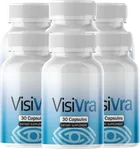
Visivra includes astaxanthin with lutein, zeaxanthin and bilberry. Read anthocyanins for eyes and lutein side effects. See Visivra.
FAQ
Is astaxanthin safe for eyes?
In eye studies it was taken daily for weeks, with lutein and anthocyanins, without serious problems reported.
Can I take astaxanthin if I am allergic to seafood?
Many supplements use algae-derived astaxanthin; check the label and ask your doctor.
Should astaxanthin be taken with food?
Yes. It is fat-soluble and absorbs better with a meal.
Sources
- PubMed Central (NIH): Astaxanthin as a king of ketocarotenoids, antioxidant properties review (Mar Drugs, 2023)
- PubMed: Anthocyanin, astaxanthin and lutein on eye functions, a randomized placebo-controlled study (J Clin Biochem Nutr, 2021)
- NCCIH (NIH): Using dietary supplements wisely
- FDA: MedWatch safety reporting
General information, not medical advice. Prices and product details come from the official Visivra order page and bottle, checked November 6, 2026; the checkout page and the label on your bottle take priority. Read our disclaimer.