What anthocyanins are
Anthocyanins are water-soluble plant pigments that give berries their deep color. In the body they act as antioxidants. Bilberry (Vaccinium myrtillus), a European cousin of the blueberry, is especially rich in them (NCCIH).
The research for eyes
| Study | Who | Finding |
|---|---|---|
| Bilberry, 12 weeks (PubMed) | Display terminal workers | Better objective ciliary-muscle findings vs placebo |
| Anthocyanin + astaxanthin + lutein (PubMed) | Adults with heavy eye use | Better eye-function scores vs placebo |
| Review of plant compounds (PubMed) | Lab and human studies | Studied for light-induced retinal stress and eye fatigue |
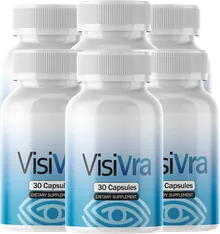
Best Visivra price today: 6 bottles at $49 each (save $780) or 3 bottles at $69 each with free US shipping. One-time payment, no autoship, 60 days to decide.
Check Today’s Discount ›What NCCIH says
NCCIH notes bilberry has been used for eye conditions, that evidence for night vision is mixed, and that extracts were used safely in studies of up to 160 mg a day for 6 months (NCCIH). NCCIH also advises anyone who takes medicine to check with a health care provider before using bilberry, and notes that little is known about larger amounts in pregnancy.
Food sources
- Blueberries and bilberries
- Black currants and blackberries
- Purple grapes, red cabbage, purple sweet potato
How anthocyanins may help eyes
Researchers are interested in anthocyanins for a few reasons. They are antioxidants, and the retina is under constant oxidative stress from light and high oxygen use (PubMed). Lab studies suggest they may support the small blood vessels of the eye and the regeneration of rhodopsin, the pigment used in dim light. In people, the clearest signal so far comes from studies in heavy screen users, where bilberry improved objective measures of the focusing muscle (PubMed). The evidence for night vision in healthy people is weaker; NCCIH says the most rigorous studies did not find bilberry improved night vision (NCCIH).
Bilberry vs blueberry
| Bilberry | Cultivated blueberry | |
|---|---|---|
| Flesh color | Purple all the way through | Pale green-white inside |
| Anthocyanin content | Higher | Lower |
| Where it grows | Wild, northern Europe | Farmed worldwide |
| Use in eye research | Most studies | Fewer studies |
Eating blueberries is great for overall health, but you would need a lot of them to match the anthocyanins in a standardised bilberry extract.
Getting more anthocyanins from food
- A handful of blueberries or blackberries on breakfast.
- Frozen mixed berries in a smoothie (frozen berries keep their pigments well).
- Red cabbage in salads and slaws.
- Purple sweet potatoes, black rice and purple grapes.
Why combinations make sense
Anthocyanins are water-soluble, while lutein, zeaxanthin and astaxanthin are fat-soluble. They act in different parts of the cell and in different ways, which is one reason researchers test them together. A randomized, placebo-controlled study that combined anthocyanins, astaxanthin and lutein found better eye-function results than placebo (PubMed). Visivra follows that idea by putting bilberry together with the carotenoids. See lutein and zeaxanthin and astaxanthin safety.
Safety tips for bilberry
- Bilberry fruit is safe in food amounts; extracts were well tolerated in studies up to 6 months (NCCIH).
- Bilberry leaves may be unsafe in high doses or long-term; eye products use the fruit.
- Talk with your provider if you take any medicine, or if you are pregnant or breastfeeding.
Reader questions about anthocyanins
Is blueberry juice a good source?
Juices often contain added sugar and less fiber. Whole or frozen berries are a better everyday choice.
Does cooking destroy anthocyanins?
Heat can reduce them, so raw or lightly cooked berries keep more. Frozen berries hold up well.
Can I get enough from food alone?
You can get a good amount from a daily serving of berries. Matching the doses used in bilberry eye trials usually requires an extract.
Are anthocyanins safe with blood thinners?
Food amounts are fine. For extracts, talk with your health care provider, as NCCIH advises for anyone taking medicine (NCCIH).
In short
Anthocyanins are a promising group of antioxidants for eyes under heavy use, with bilberry as the best-studied source. Eat berries regularly, and if you want the amounts used in eye research, choose a formula that includes bilberry extract alongside lutein and zeaxanthin.
How bilberry extracts are standardised
Bilberry extracts are often standardised to contain a set percentage of anthocyanins, commonly around 25% or 36%. That allows researchers and manufacturers to give consistent doses. NCCIH notes that bilberry fruit extracts were used safely in studies at up to 160 mg a day for up to 6 months (NCCIH). When you compare products, look for the extract amount and, if listed, the anthocyanin percentage. Multi-ingredient formulas may list bilberry as part of a blend; the bottle’s Supplement Facts panel will show what is included. Remember that bilberry fruit, not leaf, is what eye products use, and the fruit has the better safety record.
One more reader question
Do anthocyanins stain teeth?
Berries can temporarily stain teeth, but capsules swallowed whole don’t touch them.
Tip: keep a bag of frozen mixed berries in the freezer. A handful in yogurt or oatmeal each morning is an easy, low-cost way to add anthocyanins every day, alongside any supplement you take.
Anthocyanins in Visivra
Visivra includes bilberry extract next to lutein, zeaxanthin and astaxanthin, which mirrors the combination tested in the placebo-controlled study above. See the Visivra formula and tired eyes remedies. Check Visivra’s price.
FAQ
Are anthocyanins good for your eyes?
Research, especially on bilberry, links them to eye comfort and focusing-muscle findings in screen workers.
Are blueberries as good as bilberry?
Both contain anthocyanins; bilberry has more and is the one used in most eye studies.
Is bilberry safe?
NCCIH says extracts were used safely in studies up to 6 months. Ask your doctor if you take blood thinners.
Sources
- NCCIH (NIH): Bilberry
- PubMed: 12 weeks of bilberry extract and ciliary-muscle findings in visual display terminal workers (Nutrients, 2020)
- PubMed: Anthocyanin, astaxanthin and lutein on eye functions, a randomized placebo-controlled study (J Clin Biochem Nutr, 2021)
- PubMed: Plant bioactive compounds, light-induced retinal damage and asthenopia (Nutr Res, 2023)
General information, not medical advice. Prices and product details come from the official Visivra order page and bottle, checked November 6, 2026; the checkout page and the label on your bottle take priority. Read our disclaimer.