Why it isn’t instant
Eye drops act on the surface for an hour. Visivra’s nutrients are built into eye tissue. Lutein and zeaxanthin collect in the macula over weeks (PubMed), and antioxidant support works through steady daily levels. Read macular pigment explained.
What the research timelines say
| Study | Length | Measured |
|---|---|---|
| Bilberry in screen workers (PubMed) | 12 weeks | Focusing-muscle findings, eye fatigue |
| Macular carotenoids, high screen time (PubMed) | 6 months | Visual performance, eye strain, headache |
| Anthocyanin + astaxanthin + lutein (PubMed) | Weeks of daily use | Eye-function scores vs placebo |
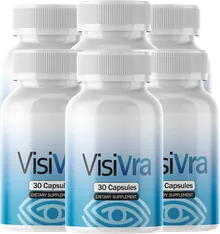
Best Visivra price today: 6 bottles at $49 each (save $780) or 3 bottles at $69 each with free US shipping. One-time payment, no autoship, 60 days to decide.
Check Today’s Discount ›A practical timeline
- Days 1–30: build the habit. See results after 30 days.
- Days 30–60: many notice better end-of-day comfort.
- Days 60–90+: the fair point to judge.
Speed it up (a little)
Take it with a fat-containing meal, never skip days, follow the 20-20-20 rule (NEI) and eat leafy greens (foods high in lutein).
What changes first, and what takes longer
Different parts of the formula act on different timescales:
| Ingredient group | How it works | Timescale |
|---|---|---|
| Vitamin A and zinc | Part of normal retinal metabolism and the low-light cycle (NIH ODS) | Ongoing from day one; benefits most noticeable if intake was low |
| Bilberry and astaxanthin | Antioxidant support with heavy eye use | Studied over weeks; 12 weeks in the bilberry trial (PubMed) |
| Lutein and zeaxanthin | Build macular pigment in the retina | Gradual rise over months (PubMed); 6 months in the screen trial (PubMed) |
Why some people notice sooner
- Low starting intake: people who rarely eat leafy greens have more room for macular pigment to rise.
- Heavy daily screen use: when eyes are under a big load every day, small changes in comfort are easier to notice.
- Good habits alongside: 20-20-20 breaks, enough sleep and a meal with fat at capsule time all help.
Why some people notice later, or not at all
- Inconsistent use: skipping days or taking it on an empty stomach.
- A different cause: blurry vision from an old prescription, a cataract or dry eye disease needs an eye doctor (NEI; NEI; NEI).
- Already high intake: if you eat greens daily, the change may be smaller.
A week-by-week tracker
Every Sunday, rate three things from 1 to 10 and note them in your phone:
- How tired your eyes feel at the end of the day.
- How long you can read on a screen before needing a break.
- How comfortable night driving or dim rooms feel.
Plot them after 8 weeks. A slow upward trend is exactly what gradual nutrients look like. A flat line after 12 weeks of consistent use is a fair reason to stop or use the guarantee (refund steps).
What if you stop taking it?
Macular pigment doesn’t disappear overnight, but it depends on ongoing intake from food or supplements. If you stop, levels gradually drift back toward what your diet supports. That is why people who like their results usually stay on Visivra and choose the 6-bottle package for the lowest daily cost (cost per day).
The bottom line on timing
Think in months, not days. Commit to 90 days of daily use with food, track simple scores, keep your eye exams up to date (NEI) and judge honestly. That approach gives Visivra, or any eye nutrient, a fair test.
Reader questions about timing
Will older adults take longer to notice results?
Possibly. Age-related changes in the lens and retina mean results can be subtler, and some changes, such as reading blur, aren’t nutritional at all. Give it the full 90 days and keep regular eye exams.
Can I speed things up with a higher dose?
No. Stick to the label. Extra capsules add vitamin A and zinc without building macular pigment faster (NIH ODS).
How will I know it’s working rather than placebo?
You can’t be completely sure without a controlled trial, which is why the published placebo-controlled studies matter (PubMed; PubMed). Tracking simple scores weekly keeps your own judgment honest.
Should I take a break after six months?
There’s no need to cycle eye nutrients. Many people take them long term, reviewing with their eye doctor at regular exams.
In short
Visivra is a long game. Expect gradual change over weeks, judge it after about 90 days, and use the 60-day guarantee if it isn’t for you.
One more reader question
I’m 65. Is it too late for eye nutrients to help?
No. Macular pigment responds to lutein and zeaxanthin intake at any adult age (PubMed), and vitamin A and zinc keep supporting the retina’s normal work. What changes with age is that other factors, such as lens clouding or reading blur, become more common and can’t be fixed with nutrition. That makes regular dilated eye exams even more important (NEI). Start with a 90-day trial, track how your eyes feel at the end of the day and in dim light, and talk to your eye doctor about how a supplement fits with any other care you receive. Many older adults find daily nutrition a simple, worthwhile habit.
Plan your bottles
Three bottles cover 90 days and still let you decide before the 60-day guarantee ends (counted from purchase). Get a 90-day Visivra supply.
FAQ
How fast does Visivra work?
Usually 4–8 weeks for first changes; give it about 90 days to judge.
Why doesn’t Visivra work right away?
Its nutrients build up in eye tissue over weeks, unlike surface drops.
Should I keep taking Visivra long term?
Many people do, since benefits depend on steady intake. Reassess with your eye doctor at your regular exam.
Sources
- PubMed: Antioxidant supplementation, macular pigment optical density and visual function, a network meta-analysis (Adv Nutr, 2024)
- PubMed: 12 weeks of bilberry extract and ciliary-muscle findings in visual display terminal workers (Nutrients, 2020)
- PubMed: Macular carotenoid supplementation improves visual performance, sleep quality and physical symptoms in people with high screen time (Foods, 2017)
- PubMed: Anthocyanin, astaxanthin and lutein on eye functions, a randomized placebo-controlled study (J Clin Biochem Nutr, 2021)
- National Eye Institute (NIH): Keep your eyes healthy
- NIH Office of Dietary Supplements: Vitamin A and carotenoids
- National Eye Institute (NIH): Refractive errors
- National Eye Institute (NIH): Cataracts
- National Eye Institute (NIH): Dry eye
- National Eye Institute (NIH): Get a dilated eye exam
General information, not medical advice. Prices and product details come from the official Visivra order page and bottle, checked November 6, 2026; the checkout page and the label on your bottle take priority. Read our disclaimer.