The top foods
| Food | Lutein + zeaxanthin |
|---|---|
| Kale (cooked) | Very high |
| Spinach (cooked) | Very high |
| Collard and turnip greens | Very high |
| Swiss chard | High |
| Peas, broccoli, Brussels sprouts | Moderate |
| Corn, orange peppers | Moderate (more zeaxanthin) |
| Pistachios | Moderate |
| Egg yolks | Low but well absorbed |
The National Eye Institute recommends leafy greens such as spinach, kale and collards for eye health (NEI).
Absorb more
- Cook greens lightly or blend them; it helps release carotenoids.
- Add fat: olive oil, avocado, eggs, nuts.
- Eat them often; macular pigment builds slowly (macular pigment).
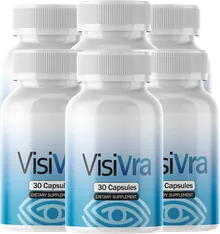
Best Visivra price today: 6 bottles at $49 each (save $780) or 3 bottles at $69 each with free US shipping. One-time payment, no autoship, 60 days to decide.
Check Today’s Discount ›Easy daily ideas
- Spinach omelet with olive oil.
- Kale salad with avocado.
- Corn and pepper salsa.
- A handful of pistachios.
Cooking tips to get more lutein
- Cook greens lightly: steaming or sautéing breaks down cell walls and can make lutein easier to absorb than raw.
- Add fat: olive oil, butter, avocado, nuts or cheese help your body absorb carotenoids (NIH ODS).
- Don’t overcook: long boiling can reduce some nutrients; a few minutes is enough.
- Blend: green smoothies with a spoon of nut butter make a quick, absorbable serving.
- Use frozen: frozen spinach and kale are convenient and keep their carotenoids.
A week of easy lutein meals
| Day | Idea |
|---|---|
| Monday | Spinach and feta omelet |
| Tuesday | Kale Caesar salad with chicken |
| Wednesday | Pasta with peas, broccoli and olive oil |
| Thursday | Collard greens with beans |
| Friday | Salmon with sautéed Swiss chard |
| Saturday | Corn and orange-pepper fajitas |
| Sunday | Green smoothie with spinach, banana and peanut butter |
Lutein for picky eaters
Not a fan of greens? Hide spinach in pasta sauce, soups or smoothies; mix chopped kale into meatballs; choose eggs, corn, peas and pistachios, which most people enjoy. Egg yolks contain less lutein than greens but it is well absorbed because of the fat in the yolk.
Other eye nutrients on the same plate
The same meals can cover more than lutein. Fish provides omega-3s and is part of NEI’s eye-healthy eating advice (NEI). Orange vegetables provide beta-carotene, which the body turns into vitamin A (NIH ODS). Beef, beans and nuts provide zinc (NIH ODS). Berries add anthocyanins (anthocyanins for eyes).
How food and supplements work together
Food gives you hundreds of nutrients that work together, so it should always come first. Supplements are useful when you can’t eat enough of certain foods consistently, which is common with leafy greens. A daily lutein and zeaxanthin source, such as Visivra, keeps intake steady on days when your diet falls short. Your macular pigment reflects both (macular pigment). If you take a supplement, take it with one of these meals for better absorption (when to take Visivra).
Reader questions
Does lettuce have lutein?
Darker lettuces such as romaine have some; iceberg has little. Dark leafy greens like kale and spinach have much more.
Are carrots good for lutein?
Carrots are rich in beta-carotene (vitamin A) but lower in lutein. They are still good for eyes in other ways (NIH ODS).
Do supplements work as well as food?
Supplement lutein is the same molecule and raises macular pigment in studies (PubMed). Food adds many other nutrients, so ideally use both.
How much spinach do I need?
About a cup of cooked spinach a day provides a large dose, but most people don’t eat that consistently.
Is avocado a good source?
Avocado has a small amount of lutein but, more importantly, provides fat that helps absorb carotenoids from the rest of the meal.
Shopping list for eye-friendly meals
- Greens: bagged spinach, kale, collards, Swiss chard, romaine.
- Vegetables: broccoli, peas, Brussels sprouts, orange and yellow peppers, sweetcorn, carrots.
- Protein: eggs, salmon, sardines, beans.
- Fats: extra-virgin olive oil, avocado, nuts (especially pistachios).
- Fruit: blueberries, oranges, kiwi.
- Freezer: frozen spinach, peas, corn and berries for busy weeks.
With these in your kitchen, adding lutein to every meal becomes automatic.
Restaurant and takeaway tips
Eating out doesn’t have to mean skipping eye nutrients. Choose a side salad with dark greens instead of fries, add spinach to omelets at brunch, pick Mediterranean dishes with greens and olive oil, choose stir-fries with broccoli and peppers, and order corn or peas as sides. At sandwich shops, ask for spinach instead of iceberg lettuce. At pizza places, add spinach or peppers. Burrito bowls with corn salsa, peppers and greens are another easy option. These small swaps add lutein and zeaxanthin without much effort, and the fat in most restaurant meals helps absorption. On busy weeks when vegetables run short, a daily supplement keeps your intake steady.
One more reader question
Is organic produce higher in lutein?
Lutein content depends more on the type of vegetable, its freshness and how it’s prepared than on whether it’s organic. Dark leafy greens are the richest sources either way. Eat what you can afford and enjoy regularly.
When food isn’t enough
Eye studies used about 10 mg lutein a day (AREDS2), the amount in a large serving of cooked greens every day (PubMed). Few people eat that consistently. A daily formula like Visivra fills the gap; see lutein and zeaxanthin together and Visivra vs plain lutein. See Visivra.
FAQ
What food has the most lutein?
Cooked kale and spinach are among the richest sources.
Do eggs have lutein?
Yes, smaller amounts, but egg-yolk lutein is well absorbed.
Can I get enough lutein from food?
Possibly with daily leafy greens, but most people fall short of the amounts used in eye studies.
Sources
- National Eye Institute (NIH): Keep your eyes healthy
- NIH Office of Dietary Supplements: Vitamin A and carotenoids
- NIH Office of Dietary Supplements: Zinc
- PubMed: Antioxidant supplementation, macular pigment optical density and visual function, a network meta-analysis (Adv Nutr, 2024)
- PubMed: Lutein + zeaxanthin and omega-3 fatty acids for AMD, the AREDS2 randomized trial (JAMA, 2013)
General information, not medical advice. Prices and product details come from the official Visivra order page and bottle, checked November 6, 2026; the checkout page and the label on your bottle take priority. Read our disclaimer.