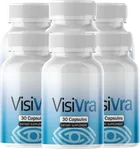
Why results take weeks
Lutein and zeaxanthin don’t act like a drop on the surface of your eye. They are stored in the macula, and the amount there (macular pigment) rises slowly with steady intake. A 2024 meta-analysis found that carotenoid supplements raise macular pigment density over time (PubMed). Learn the basics in what macular pigment is.
A realistic timeline
| When | What is happening | What people notice |
|---|---|---|
| Weeks 1–3 | Daily intake starts, nutrients begin to build | Usually little; focus on consistency |
| Weeks 4–8 | Antioxidant support and pigment keep building | Less heavy, tired eyes at the end of the day |
| Weeks 8–12 | Matches the bilberry trial length (PubMed) | Steadier focus, more comfortable screen work |
| Months 4–6 | Matches the screen-time carotenoid trial (PubMed) | The full picture |
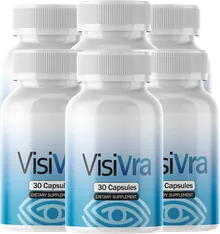
Best Visivra price today: 6 bottles at $49 each (save $780) or 3 bottles at $69 each with free US shipping. One-time payment, no autoship, 60 days to decide.
Check Today’s Discount ›How to measure your own results
- Each evening, score your eye comfort from 1 to 10.
- Note how long you can read on a screen before blurring starts.
- Note how night driving feels once a week.
- Compare week 1 with week 8.
What boosts results
Take your capsule with a meal that has some fat, use the 20-20-20 rule at screens (CDC), add leafy greens (NEI) and wear UV-blocking sunglasses. More ideas in tired eyes remedies.
What results are not
Visivra does not change your prescription, cure eye disease or replace eye exams. If your vision changes suddenly, see an eye doctor right away.
The four things that decide your results
Two people can take the same capsule and report very different results. In our reading of the research and buyer feedback, four factors explain most of the difference:
- Consistency. Daily intake builds tissue levels; skipping days resets the clock. Tie the capsule to a meal you never miss.
- Food at the same time. The carotenoids in Visivra are fat-soluble, so a meal with eggs, avocado, olive oil or nuts helps absorption (NIH ODS).
- Your starting point. People who eat few leafy greens tend to have more room for improvement in macular pigment than those who already eat spinach every day.
- Your screen habits. If you never look away from the screen, no nutrient can fully keep up. The 20-20-20 rule is still the most direct fix for strain (CDC).
What the studies actually measured
It helps to know what “results” meant in the research, so your expectations match:
| Study | Measures | Plain-English takeaway |
|---|---|---|
| Macular carotenoids, 6 months (PubMed) | Macular pigment, contrast and glare tests, eye strain, eye fatigue, headache, sleep quality | Better visual performance and fewer strain symptoms vs placebo |
| Bilberry, 12 weeks (PubMed) | Objective focusing-muscle tests, eye fatigue questionnaire | Better focusing-muscle findings in screen workers |
| Anthocyanin + astaxanthin + lutein (PubMed) | Eye function and fatigue scores | Improvements vs placebo with heavy eye use |
| Network meta-analysis, 2024 (PubMed) | Macular pigment optical density and visual function across many trials | Carotenoid supplements raise macular pigment |
Notice what is not on the list: changes in glasses prescription or reversal of eye disease. Results are about comfort, performance and the health of the macula over time.
Signs you are on track
- You reach the end of a workday with less of the heavy, gritty feeling.
- You need fewer “rest your eyes” breaks in the evening.
- Headlights feel a bit less harsh after a few weeks.
- Your weekly scores trend upward, even if one bad week (poor sleep, a deadline) dips them.
Signs to see a doctor instead
Results from a supplement are gradual and gentle. If you notice sudden blurring, a shadow over your vision, new floaters with flashes, eye pain or straight lines that look wavy, don’t wait: those need prompt eye care (NEI; NEI). Read eye floaters causes for the warning signs.
How long to keep going
Most people who like their results stay on Visivra long term, because macular pigment and antioxidant levels depend on steady intake. At that point the 6-bottle package (about $1.63 a day) is the practical choice. Our cost per day guide compares all three packages.
Reader questions about results
Can I take Visivra if I already eat lots of greens?
Yes. Your starting macular pigment may already be higher, so changes might be smaller, but bilberry, astaxanthin, vitamin A and zinc still add to what your diet provides.
Do results last if I stop?
Macular pigment depends on ongoing intake and declines slowly if intake drops (PubMed). Most people who like their results keep a daily routine.
Results from food, habits and capsules together
The biggest improvements usually come from stacking small changes. Visivra supplies the eye nutrients steadily; leafy greens and eggs add more lutein from food; regular screen breaks relieve the focusing muscle; and enough sleep lets your eyes recover. When buyers describe the best results, they often mention changing two or three of these at once. That doesn’t make the capsule less useful; it simply means your eyes respond to the whole routine. If you want the clearest picture of what Visivra adds, keep your other habits steady for the first month, then add improvements one at a time. Either way, track your weekly scores so you can see the trend, and give it at least 12 weeks before judging, which matches the research timeline (PubMed).
Give it a fair test
Because results take 8–12 weeks, the 3-bottle (90 days) or 6-bottle (180 days) package is the sensible way to start, and both are covered by the 60-day guarantee. Get enough Visivra for 90 days.
FAQ
How soon will I see Visivra results?
Most people need at least 4–8 weeks of daily use to notice a change, and the research ran 12 weeks to 6 months.
Will Visivra change my glasses prescription?
No. It supports eye health and comfort; it doesn’t change the shape of your eye. See can Visivra improve eyesight?
What if I see no results?
Use the 60-day money-back guarantee. Contact support within 60 days of purchase for return instructions.
Sources
- PubMed: Antioxidant supplementation, macular pigment optical density and visual function, a network meta-analysis (Adv Nutr, 2024)
- PubMed: 12 weeks of bilberry extract and ciliary-muscle findings in visual display terminal workers (Nutrients, 2020)
- PubMed: Macular carotenoid supplementation improves visual performance, sleep quality and physical symptoms in people with high screen time (Foods, 2017)
- CDC: Preventing vision loss
- National Eye Institute (NIH): Keep your eyes healthy
- NIH Office of Dietary Supplements: Vitamin A and carotenoids
- PubMed: Anthocyanin, astaxanthin and lutein on eye functions, a randomized placebo-controlled study (J Clin Biochem Nutr, 2021)
- National Eye Institute (NIH): Floaters
- National Eye Institute (NIH): Age-related macular degeneration
General information, not medical advice. Prices and product details come from the official Visivra order page and bottle, checked November 6, 2026; the checkout page and the label on your bottle take priority. Read our disclaimer.