The common cause
The National Eye Institute explains that as you age, tiny strands of the vitreous stick together and cast shadows on the retina; those shadows are floaters (NEI). They move as your eyes move and are most visible against a bright sky or white screen.
Other causes (NEI)
- Eye infections or injuries
- Uveitis (inflammation in the eye)
- Bleeding in the eye (for example from diabetic retinopathy, NEI)
- Vitreous detachment
- Retinal tear or detachment
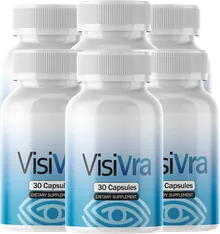
Best Visivra price today: 6 bottles at $49 each (save $780) or 3 bottles at $69 each with free US shipping. One-time payment, no autoship, 60 days to decide.
Check Today’s Discount ›Who gets them more
People over 50, people who are nearsighted, and people who have had cataract surgery.
Warning signs: go now
| Sign | Action |
|---|---|
| Sudden shower of new floaters | Same-day eye doctor or ER |
| Flashes of light | Same-day eye doctor or ER |
| Shadow or curtain over vision | Emergency |
Living with harmless floaters
Most people stop noticing them over time. Moving your eyes up and down can shift a floater out of view.
Posterior vitreous detachment (PVD)
One of the most common reasons for a sudden increase in floaters after 50 is a posterior vitreous detachment. As the vitreous gel shrinks with age, it can pull away from the retina. This is usually harmless, but it can cause a burst of new floaters and flashes, and in some people it tears the retina. That is why the National Eye Institute advises getting checked right away if floaters appear suddenly, especially with flashes (NEI). An eye doctor can tell whether the retina is intact with a dilated exam.
What happens at the eye doctor
- You describe what you see and when it started.
- Eye drops widen (dilate) your pupils, which takes about 15–30 minutes.
- The doctor examines the retina with a bright light and lenses, looking for tears or detachment.
- If everything looks fine, you may be asked to come back if symptoms change.
- If there is a tear, laser or freezing treatment can often seal it in the office.
Your vision may be blurry and light-sensitive for a few hours after dilation, so bring sunglasses and arrange a ride (NEI).
Floaters with other conditions
| Condition | Why floaters appear |
|---|---|
| Diabetic retinopathy | Bleeding from fragile vessels (NEI) |
| Uveitis | Inflammatory cells in the vitreous |
| High nearsightedness | Earlier vitreous changes |
| After cataract surgery | Vitreous changes; tell your surgeon about new floaters |
| Eye injury | Bleeding or tissue damage |
Treatment options for bothersome floaters
Most floaters need no treatment and become less noticeable. If they seriously affect vision, an eye specialist may discuss a vitrectomy (surgery to remove the vitreous) or, in some cases, a laser treatment. Both carry risks, so they are reserved for severe cases. No supplement or eye drop has been shown to dissolve floaters.
Protecting your retina long term
Regular dilated exams, good blood sugar and blood pressure control, eye protection during sports and DIY, and a diet with leafy greens and fish all support retinal health (NEI). For nutrition, see macular pigment and Visivra and floaters.
Reader questions
Are floaters linked to migraines?
Migraine aura causes zigzag lights or shimmering, which is different from floaters. If you are unsure which you have, ask an eye doctor.
Do floaters get worse with screen time?
Screens don’t cause floaters, but white screens make them easier to notice.
Can I fly with floaters?
Ordinary floaters aren’t a problem. After eye surgery for a retinal tear, your surgeon will give specific travel advice.
Can dehydration cause floaters?
There is no good evidence that drinking more water removes floaters, though staying hydrated is good for general health.
How to describe floaters to your doctor
Clear details speed up diagnosis. Note when the floaters started, whether they appeared suddenly or gradually, whether they are in one eye or both, and their shape (dots, threads, cobwebs, a ring). Mention any flashes of light, especially at the edge of your vision or in the dark, and any shadow, curtain or blurred patch. Tell the doctor if you are nearsighted, have had eye surgery or an eye injury, or have diabetes. If you notice a sudden change, call the same day, and if you see a curtain or shadow, go to an emergency department (NEI).
Living comfortably with long-term floaters
Many people find floaters most bothersome when reading on white screens or looking at a bright sky. Dark mode on devices, sunglasses outdoors and warm lighting indoors make them less noticeable. Over months, the brain often learns to filter them out.
In short
Most floaters are a normal part of aging, but sudden new floaters, flashes or a shadow need urgent care. Regular dilated exams protect your retina.
One more reader question
Can I prevent floaters?
Most floaters come from natural aging of the vitreous gel, which can’t be prevented (NEI). You can lower the risk of some causes: protect your eyes during sports and DIY to avoid injury, manage diabetes to reduce the risk of bleeding in the eye, and get regular dilated exams so problems are caught early. Healthy habits support the retina overall, even if they don’t stop age-related floaters.
Supplements and floaters
No supplement removes floaters. Eye nutrients like those in Visivra support the macula and retina generally; see Visivra and floaters and halos around lights. See Visivra.
FAQ
What causes eye floaters?
Usually age-related changes in the vitreous gel; sometimes infection, inflammation, bleeding or a retinal tear.
When are floaters an emergency?
When they appear suddenly in large numbers, or come with flashes or a shadow over your vision.
Do floaters go away?
They often become less noticeable, though they may not disappear.
Sources
- National Eye Institute (NIH): Floaters
- National Eye Institute (NIH): Diabetic retinopathy
- National Eye Institute (NIH): Get a dilated eye exam
- National Eye Institute (NIH): Keep your eyes healthy
General information, not medical advice. Prices and product details come from the official Visivra order page and bottle, checked November 6, 2026; the checkout page and the label on your bottle take priority. Read our disclaimer.