Common causes
| Cause | Clues |
|---|---|
| Cataracts | Cloudy vision, faded colors, glare from headlights (NEI) |
| Dry eye | Halos that improve after blinking; gritty eyes (NEI) |
| Refractive errors | Blur that improves with new glasses (NEI) |
| Dirty or scratched lenses | Halos vanish with clean glasses |
| After eye surgery | Often temporary; ask your surgeon |
When it is an emergency
Sudden halos with severe eye pain, headache, red eye, nausea or blurred vision can mean a sudden pressure rise in the eye and need emergency care. For glaucoma basics see NEI.
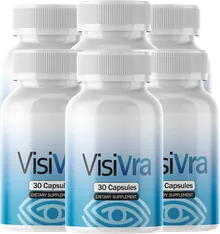
Best Visivra price today: 6 bottles at $49 each (save $780) or 3 bottles at $69 each with free US shipping. One-time payment, no autoship, 60 days to decide.
Check Today’s Discount ›What to do
- Clean your glasses and windshield.
- Blink, use lubricating drops and see if halos fade.
- Book a dilated eye exam (NEI).
Halos vs starbursts vs glare
| What you see | Description | Common causes |
|---|---|---|
| Halos | Bright rings around lights | Cataracts, dry eye, corneal swelling |
| Starbursts | Rays or spikes coming out of lights | Astigmatism, some types of refractive surgery |
| Glare | Light so bright it’s hard to see around it | Cataracts, dirty windshield or lenses, age-related lens changes |
Telling your eye doctor exactly what you see helps them find the cause faster.
Cataracts: the most common cause after 60
As the lens clouds, it scatters light, creating halos and glare, especially from headlights. The National Eye Institute lists halos around lights, headlights that seem too bright and trouble seeing at night among cataract symptoms (NEI). Cataracts develop slowly, so people often adapt without realising how much their vision has changed. When they start to affect driving or daily life, surgery is the effective treatment. Read Visivra and cataracts.
Other causes worth knowing
- Dry eye: an uneven tear film scatters light; halos often improve after blinking (NEI).
- Uncorrected nearsightedness or astigmatism: new glasses can help (NEI).
- After LASIK or other refractive surgery: often temporary.
- Keratoconus: a thinning, cone-shaped cornea that can cause halos and glare.
- Certain medicines that dilate pupils.
The emergency version
A sudden attack of halos with severe eye pain, headache, nausea or vomiting, red eye and blurred vision can be acute angle-closure glaucoma, which raises eye pressure quickly and can damage the optic nerve within hours. Go to an emergency room. Glaucoma basics are on the NEI site (NEI).
Supporting your eyes for night driving
Once your eye doctor has ruled out problems, nutrition can support the retina’s part of night vision. Vitamin A and zinc keep the rhodopsin cycle going (NIH ODS), and lutein and zeaxanthin support macular pigment, which has been linked with better glare and contrast performance in research (PubMed). Combine that with clean glasses and windshield, updated prescriptions and slower speeds at night. More tips in Visivra for night driving.
Reader questions
Are halos normal after eye drops at the doctor?
Yes. Dilating drops widen the pupil and can cause glare and halos for a few hours.
Can tiredness cause halos?
Tired, dry eyes can make halos more noticeable. If they persist after rest and blinking, get checked.
Do halos mean I need new glasses?
Sometimes. An updated prescription or anti-reflective coating may help (NEI).
Can halos come from screens at night?
Dry eyes after long screen sessions can make lights look smeared. Breaks, blinking and drops often help.
Should I stop driving at night if I see halos?
If they make it hard to see safely, yes, until you have been checked by an eye doctor.
Preparing for your eye appointment
Write down when you first noticed halos, whether they are in one eye or both, and whether they are worse at certain times (after screens, in the morning, in dry air). Note any eye pain, redness, headaches or vision changes. Bring your current glasses and a list of all medicines and supplements, including eye drops. Your eye doctor will likely check your vision, prescription, eye pressure, the front of the eye (cornea and lens) and, after dilating your pupils, the retina (NEI). Plan for blurry vision for a few hours afterwards and arrange a ride.
How common are halos?
Halos become more common with age because the eye’s lens gradually changes, and cataracts are very common in older adults (NEI). They are also common after refractive surgery and among people with dry eyes. So if you notice halos, you are far from alone, and in most cases the cause is treatable or manageable. The key is getting the cause identified rather than assuming it’s “just age.” Many people who finally get their cataracts treated say they wish they hadn’t waited so long, especially for night driving.
One more reader question
Can eye drops get rid of halos?
If dry eye is the cause, lubricating drops can reduce halos by smoothing the tear film (NEI). If cataracts or a refractive error are the cause, drops won’t help; you’ll need new glasses or surgery. An eye exam tells you which applies.
Supporting your night vision
Once your doctor has checked your eyes, nutrition can support low-light vision: vitamin A and zinc feed rhodopsin, and lutein and zeaxanthin support glare performance (PubMed). See Visivra for night driving and Visivra and cataracts. See Visivra.
FAQ
Why do I see halos around lights at night?
Common causes are cataracts, dry eye, an outdated prescription or dirty lenses; an eye exam finds the cause.
Are halos around lights serious?
Usually not urgent, but sudden halos with eye pain, red eye or nausea need emergency care.
Can vitamins stop halos?
Not directly. They can support low-light vision once the cause has been checked.
Sources
- National Eye Institute (NIH): Cataracts
- National Eye Institute (NIH): Dry eye
- National Eye Institute (NIH): Refractive errors
- National Eye Institute (NIH): Glaucoma
- National Eye Institute (NIH): Get a dilated eye exam
- NIH Office of Dietary Supplements: Vitamin A and carotenoids
- PubMed: Macular carotenoid supplementation improves visual performance, sleep quality and physical symptoms in people with high screen time (Foods, 2017)
General information, not medical advice. Prices and product details come from the official Visivra order page and bottle, checked November 6, 2026; the checkout page and the label on your bottle take priority. Read our disclaimer.