How each one works
Lubricating eye drops (artificial tears) add moisture to the tear film on the front of the eye. They are the first thing most people reach for when eyes feel dry, gritty or tired after screen time (NEI).
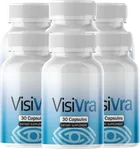
Visivra works from the inside. Lutein and zeaxanthin build macular pigment at the back of the eye (macular pigment); vitamin A supports the eye surface and low-light vision (NIH ODS); bilberry and astaxanthin are antioxidants studied for eye fatigue (PubMed).
Side-by-side
| Lubricating drops | Visivra | |
|---|---|---|
| Where it acts | Front surface (tear film) | Whole eye, especially the retina |
| Speed | Minutes | Weeks to months |
| How long it lasts | A few hours | Builds with daily use |
| Best for | Dryness, grittiness, burning | Screen fatigue, glare, macular support |
| Daily routine | Several times a day as needed | One capsule with a meal |
| Cost | Low per bottle | From $49 a bottle (30 days) |
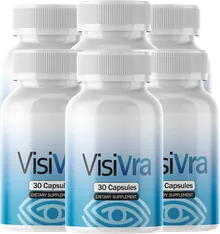
Best Visivra price today: 6 bottles at $49 each (save $780) or 3 bottles at $69 each with free US shipping. One-time payment, no autoship, 60 days to decide.
Check Today’s Discount ›Which type of tired eyes do you have?
- Gritty, burning, watery or red: mostly a tear-film problem. Drops first; see vitamins for dry eyes and Visivra for dry eyes.
- Heavy, aching, hard to focus after hours on screens: focusing fatigue and strain. Breaks, plus nutrients studied in screen users (PubMed).
- Glare and halos at night: could be dryness, cataract or a prescription change (NEI). See halos at night.
Tips for using drops well
- If you use drops more than four times a day, choose preservative-free single-use vials.
- Avoid “get the red out” drops for daily use; they shrink blood vessels and can cause rebound redness.
- Contact lens wearers should use drops labeled for lenses; see contact lens wearers.
- Don’t touch the tip to your eye.
The combined routine
- Morning: Visivra with breakfast.
- During screen time: the 20-20-20 rule and full blinks (NEI).
- When eyes feel dry: one drop of artificial tears.
- Evening: a warm compress for 5 minutes if eyelids feel heavy.
Types of eye drops and what each is for
| Type | Best for | Notes |
|---|---|---|
| Artificial tears (preserved) | Occasional dryness | Fine a few times a day; preservatives can irritate if overused |
| Preservative-free tears | Frequent use, sensitive eyes, lens wearers | Single-use vials cost more but are gentler |
| Gel and ointment | Overnight dryness | Blurs vision briefly, so best at bedtime |
| Redness relievers | Short-term redness | Not for daily use; can cause rebound redness |
| Prescription dry-eye drops | Chronic dry eye with inflammation | Prescribed after an exam (NEI) |
The nutrition side of dry eyes
NEI lists low vitamin A among dry-eye risk factors (NEI). Visivra covers vitamin A but not omega-3. That is less of a gap than it sounds: in the large NEI-funded DREAM trial, fish oil capsules did no better than placebo for dry eye (NEI). Read omega-3 for dry eyes and vitamins for dry eyes.
Things that dry your eyes that no product fixes
- Fans, car vents and heaters blowing at your face.
- Low indoor humidity in winter.
- Some medicines, including certain antihistamines and antidepressants.
- Smoke and wind.
- Long stretches without blinking.
Changing these often helps as much as any bottle. Position vents away from your face, use a humidifier and use the 20-20-20 rule (CDC).
How long to wait before seeing a doctor
Try the basic steps for one to two weeks. If your eyes are still uncomfortable, or you have pain, light sensitivity or vision changes, book an exam. Dry eye is common but treatable, and an eye doctor can tell it apart from allergies, infection or eyelid problems.
When neither is enough
If dryness lasts more than a couple of weeks despite drops, or comes with pain, light sensitivity or vision changes, see an eye doctor. Dry eye can be linked to medicines, eyelid gland problems or other conditions that need treatment (NEI).
For the inside-out half of the routine, check today’s Visivra price.
FAQ
Can Visivra replace eye drops?
No. Drops relieve surface dryness quickly; Visivra supports eye nutrition over weeks. They complement each other.
Can I use eye drops while taking Visivra?
Yes. There’s no interaction between lubricating drops and eye nutrients.
What is better for screen strain?
Breaks first. Drops help dryness; lutein and zeaxanthin have research for screen-related strain and fatigue.
Are prescription dry-eye drops different?
Yes. They treat inflammation or tear production. Follow your eye doctor’s advice and keep using them.
Sources
- National Eye Institute (NIH): Dry eye
- NIH Office of Dietary Supplements: Vitamin A and carotenoids
- PubMed: Anthocyanin, astaxanthin and lutein on eye functions, a randomized placebo-controlled study (J Clin Biochem Nutr, 2021)
- PubMed: Macular carotenoid supplementation improves visual performance, sleep quality and physical symptoms in people with high screen time (Foods, 2017)
- National Eye Institute (NIH): Cataracts
- National Eye Institute (NIH): Keep your eyes healthy
- National Eye Institute (NIH): Omega-3s from fish oil supplements no better than placebo for dry eye (DREAM trial, 2018)
- CDC: Preventing vision loss
General information, not medical advice. Prices and product details come from the official Visivra order page and bottle, checked November 6, 2026; the checkout page and the label on your bottle take priority. Read our disclaimer.