Two kinds of “better eyesight”
Optical sharpness depends on the shape of your eye and lens. Nearsightedness, farsightedness and astigmatism are refractive errors corrected with glasses, contacts or surgery (NEI). Needing reading glasses after 40 is presbyopia (NEI). No supplement changes these.
Visual performance and comfort (contrast, glare recovery, eye fatigue, seeing in dim light) also depend on the health of the retina, which relies on nutrition. That is where Visivra helps.*
What the research shows
- Macular carotenoids for 6 months improved visual performance measures and eased eye strain in heavy screen users (PubMed).
- Carotenoid supplements raise macular pigment density (PubMed).
- Vitamin A is needed for normal vision and seeing in dim light (NIH ODS).
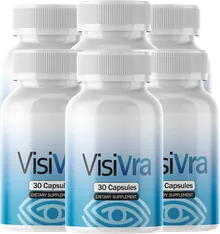
Best Visivra price today: 6 bottles at $49 each (save $780) or 3 bottles at $69 each with free US shipping. One-time payment, no autoship, 60 days to decide.
Check Today’s Discount ›Realistic expectations
Expect more comfortable eyes at the end of the day, steadier focus and easier low-light vision over weeks, not a new prescription. See Visivra real results and can you reverse vision loss naturally?
What “20/20” actually measures
The familiar eye chart measures visual acuity: the smallest letters you can read at a set distance. Acuity is mostly about focus, which depends on the shape of your cornea and lens. That is why glasses, contacts and laser surgery change acuity, and why nutrition doesn’t. But acuity is only one part of how well you see. Contrast sensitivity (seeing a grey car on a grey road), glare recovery (after headlights), and comfort over a long day are all part of real-world vision, and those depend partly on the health of the retina.
Where nutrition can make a difference
| Part of vision | Can nutrition help? | Evidence |
|---|---|---|
| Acuity (eye chart) | No, for refractive errors | Corrected optically (NEI) |
| Reading up close after 40 | No | Presbyopia (NEI) |
| Contrast and glare | Possibly | Improved with macular carotenoids (PubMed) |
| Eye fatigue with screens | Possibly | Bilberry and combination studies (PubMed; PubMed) |
| Seeing in dim light | Yes, if vitamin A is low | Vitamin A deficiency causes night blindness (MedlinePlus) |
Claims that should make you suspicious
- “Throw away your glasses.”
- “Restore 20/20 vision in 30 days.”
- “Reverses macular degeneration or cataracts.”
- “Doctors hate this secret.”
No supplement can honestly promise these. When you see them, it says more about the website than the product. Our legitimacy check explains which Visivra claims hold up.
Habits that genuinely improve how well you see day to day
- Update your prescription. Many people are wearing glasses that are a year or two out of date.
- Light your workspace well and reduce screen glare.
- Use the 20-20-20 rule to relax focusing muscles (NEI).
- Treat dryness, since an uneven tear film blurs vision (dry eyes).
- Feed your macula with leafy greens and a lutein/zeaxanthin source (macular pigment).
When blurry vision is a medical issue
See an eye doctor promptly for blur that comes on quickly, affects one eye, comes with pain or redness, or makes straight lines look wavy. A dilated eye exam is the only way to check for conditions like glaucoma, diabetic retinopathy and AMD early (NEI). Visivra is a daily support, not a substitute for that care.
Reader questions about eyesight
Can Visivra stop my prescription from getting worse?
No supplement has been shown to stop refractive changes. Nearsightedness changes are mainly about eye growth and shape (NEI), and reading glasses after 40 are about lens flexibility (NEI).
Will my eye doctor be able to tell I take it?
Not from a standard exam. Some clinics can measure macular pigment, but it isn’t routine. Tell your eye doctor what you take so they have the full picture.
Can it help after LASIK?
LASIK corrects focus. Visivra supports the retina and eye comfort, which is a different job. Follow your surgeon’s advice in the weeks after surgery, especially for dry eyes, which are common after LASIK.
Does better contrast mean better eyesight?
Contrast sensitivity is part of how well you see in real life, especially in fog, dusk or on grey roads. It isn’t measured on a standard eye chart, which is why some people feel they “see better” even when their prescription hasn’t changed (PubMed).
In short
Visivra can support comfort, contrast and low-light vision, but it won’t change your prescription. Keep your glasses up to date and your eye exams regular.
One more reader question
My vision seems sharper some days than others. Why?
Day-to-day changes are common and usually come from the tear film, tiredness or blood sugar rather than permanent changes. Dry eyes can blur vision until you blink, long screen sessions tire the focusing muscle, and in people with diabetes, blood sugar swings can temporarily affect the lens (NEI; NEI). Good sleep, screen breaks, drops for dryness and steady nutrition can make your vision feel more consistent. If the variation is large, getting worse or affects one eye only, see an eye doctor, because it may need more than lifestyle changes.
When to see a doctor
If your vision is getting blurrier, see an eye doctor; you may simply need a new prescription, or it may be something that needs treatment. A dilated eye exam catches problems early (NEI).
Support your eyes with Visivra
FAQ
Will Visivra let me stop wearing glasses?
No. It supports eye health but can’t correct refractive errors.
Can Visivra help with night vision?
Its vitamin A and zinc support the low-light vision cycle.* See Visivra for night driving.
Does Visivra improve contrast?
Lutein and zeaxanthin support macular pigment, which research links to visual performance such as contrast and glare.*
Sources
- National Eye Institute (NIH): Refractive errors
- National Eye Institute (NIH): Presbyopia
- PubMed: Macular carotenoid supplementation improves visual performance, sleep quality and physical symptoms in people with high screen time (Foods, 2017)
- PubMed: Antioxidant supplementation, macular pigment optical density and visual function, a network meta-analysis (Adv Nutr, 2024)
- NIH Office of Dietary Supplements: Vitamin A and carotenoids
- PubMed: 12 weeks of bilberry extract and ciliary-muscle findings in visual display terminal workers (Nutrients, 2020)
- PubMed: Anthocyanin, astaxanthin and lutein on eye functions, a randomized placebo-controlled study (J Clin Biochem Nutr, 2021)
- MedlinePlus (NIH): Vision, night blindness
- National Eye Institute (NIH): Keep your eyes healthy
- National Eye Institute (NIH): Get a dilated eye exam
- National Eye Institute (NIH): Dry eye
- National Eye Institute (NIH): Diabetic retinopathy
General information, not medical advice. Prices and product details come from the official Visivra order page and bottle, checked November 6, 2026; the checkout page and the label on your bottle take priority. Read our disclaimer.