Why your eyes need zinc
Zinc is found in high amounts in the retina. It helps carry vitamin A from the liver to the retina, where it is used to make the pigment for low-light vision (NIH ODS).
How much
| Group | Daily need | Upper limit |
|---|---|---|
| Adult men | 11 mg | 40 mg |
| Adult women | 8 mg | 40 mg |
| Pregnancy | 11 mg | 40 mg |
Source: NIH Office of Dietary Supplements.
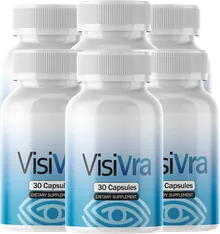
Best Visivra price today: 6 bottles at $49 each (save $780) or 3 bottles at $69 each with free US shipping. One-time payment, no autoship, 60 days to decide.
Check Today’s Discount ›What about AREDS’ 80 mg?
The NIH AREDS and AREDS2 formulas used 80 mg zinc with 2 mg copper for people with intermediate AMD (NEI). That is above the general upper limit and should only be taken on an eye doctor’s advice. See Visivra vs PreserVision.
Too much zinc
Long-term high intake can lower copper and affect immunity (NIH ODS). Add up zinc from multivitamins, cold lozenges and eye formulas (stacking guide).
Food sources
Oysters, beef, crab, poultry, beans, nuts and fortified cereals.
Signs of too little zinc
Zinc deficiency isn’t common in the US, but some groups are at higher risk (NIH ODS): people with digestive conditions that affect absorption, vegetarians and vegans (plant zinc is less well absorbed), older adults with poor appetite, people with alcohol use disorder and pregnant or breastfeeding women. Signs can include poor appetite, slow wound healing, hair loss and, in more severe cases, problems with night vision because of the zinc–vitamin A link.
Signs of too much zinc
Taking large doses at once can cause nausea, vomiting, stomach cramps and headaches. Over the long term, intake above the 40 mg upper limit can lower copper levels and weaken immunity (NIH ODS). This is why the AREDS formulas add 2 mg of copper to their 80 mg of zinc (NEI).
Hidden sources of extra zinc
- Multivitamins and “immune support” supplements.
- Cold and flu lozenges, which can add 10–20 mg per day or more.
- AREDS2 eye formulas (80 mg).
- Some denture creams (older formulas contained zinc).
- Fortified cereals and protein bars.
Zinc and medicines
Zinc can interact with some medicines (NIH ODS):
| Medicine type | Interaction |
|---|---|
| Certain antibiotics (quinolones, tetracyclines) | Zinc and the antibiotic can reduce each other’s absorption; separate doses |
| Penicillamine | Zinc can reduce its effect |
| Thiazide diuretics | Can increase zinc loss in urine |
Your pharmacist can tell you how to time doses.
Food sources ranked
| Food | Zinc level |
|---|---|
| Oysters | Very high |
| Beef, crab, lobster | High |
| Pork, chicken, fortified cereal | Moderate |
| Beans, nuts, whole grains, dairy | Lower and less well absorbed |
Putting it together for your eyes
Aim to meet, not hugely exceed, your daily zinc needs from food plus supplements. If you take Visivra, read the zinc amount on the bottle, add any multivitamin or lozenges, and keep the total under 40 mg unless your eye doctor prescribes an AREDS2 formula. See Visivra vs a multivitamin and Visivra vs PreserVision.
Reader questions about zinc
What form of zinc is best?
Zinc gluconate, sulfate, citrate and oxide are common. AREDS used zinc oxide. Labels list “elemental zinc,” which is the number to compare with limits (NIH ODS).
Should I take zinc on an empty stomach?
It can cause nausea on an empty stomach, so most people take it with food.
Can zinc help my immune system too?
Zinc is important for immune function, but more isn’t better. Stay within the 40 mg upper limit unless your doctor advises otherwise.
Zinc for vegetarians and vegans
Plant foods such as beans, lentils, whole grains, nuts and seeds contain zinc, but they also contain phytates, which reduce absorption. NIH notes that vegetarians may need up to 50% more zinc than the standard recommendation (NIH ODS). Soaking beans, sprouting grains and choosing leavened bread can help. If you’re vegetarian or vegan and considering an eye supplement, it’s worth looking at your total zinc intake with a dietitian or doctor, especially if you also follow a plant-based diet low in vitamin A-rich animal foods.
How zinc and vitamin A work together in the eye
Vitamin A is stored in the liver. To reach the retina, it has to be released and carried in the blood by a transport protein, and zinc is needed for that process. In the retina, zinc is also involved in the chemistry of the visual cycle. This partnership is why zinc deficiency can show up as poor night vision even when vitamin A intake is adequate (NIH ODS). It’s also why eye formulas usually pair the two, as Visivra does.
In short
Most adults need 8–11 mg of zinc a day and shouldn’t exceed 40 mg without medical advice. Add up all sources, including eye formulas.
One more reader question
Can zinc lozenges push me over the limit?
Yes, if you use several a day alongside other supplements. Check the label and count them in your total.
Zinc in Visivra
Visivra includes zinc as one of six eye nutrients; check your bottle for the amount and keep your daily total under 40 mg. See Visivra.
FAQ
How much zinc should I take for my eyes?
Most adults need 8–11 mg a day from food and supplements combined; don’t exceed 40 mg without medical advice.
Why did AREDS use 80 mg zinc?
It was tested in people with intermediate AMD, with copper added, under study conditions.
Can too much zinc hurt?
Yes. Long-term high zinc can cause copper deficiency.
Sources
- NIH Office of Dietary Supplements: Zinc
- National Eye Institute (NIH): AREDS/AREDS2 clinical trials
- NIH Office of Dietary Supplements: Vitamin A and carotenoids
General information, not medical advice. Prices and product details come from the official Visivra order page and bottle, checked November 6, 2026; the checkout page and the label on your bottle take priority. Read our disclaimer.