Why vitamin A matters in pregnancy
Vitamin A is essential, but more is not better. NIH’s Office of Dietary Supplements notes that high intakes of preformed vitamin A during pregnancy can cause birth defects, and sets an upper limit of 3,000 mcg a day for adults (NIH ODS).
Stacking with prenatal vitamins
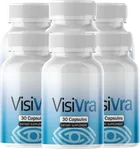
Prenatal vitamins usually contain vitamin A and zinc. Adding Visivra adds more of both. Your doctor or pharmacist can compare the labels and tell you if the total is safe. Zinc limits are explained in how much zinc for eye health.
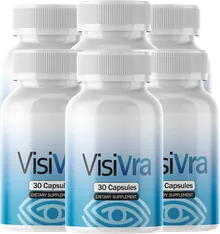
Best Visivra price today: 6 bottles at $49 each (save $780) or 3 bottles at $69 each with free US shipping. One-time payment, no autoship, 60 days to decide.
Check Today’s Discount ›Breastfeeding
The same rule applies: ask first. Many herbal extracts, including bilberry, have little safety research in breastfeeding (NCCIH).
Eye support from food
Leafy greens, eggs and colorful vegetables provide lutein and zeaxanthin naturally (NEI). See foods high in lutein. Pregnancy can also cause temporary vision changes; tell your doctor about any sudden blurring.
Vitamin A: preformed vs beta-carotene
There are two main types of vitamin A in food and supplements (NIH ODS):
| Type | Found in | Pregnancy note |
|---|---|---|
| Preformed vitamin A (retinol, retinyl esters) | Liver, fish oils, dairy, eggs, many supplements | High intake can cause birth defects; upper limit 3,000 mcg/day |
| Provitamin A carotenoids (beta-carotene) | Orange and green vegetables and fruit | The body converts what it needs; not linked to birth defects |
Lutein and zeaxanthin are carotenoids too, but the body does not convert them into vitamin A. The vitamin A concern in pregnancy relates to the preformed type. Your doctor can check which form your prenatal vitamin and any other supplement use.
Eye changes during pregnancy
Pregnancy hormones and fluid changes can cause temporary changes in vision, such as mild blurriness, dry eyes or contact lens discomfort. Most settle after the baby is born. However, some symptoms need urgent attention: sudden blurred vision, seeing spots or flashing lights, or light sensitivity, especially with headache or swelling, can be signs of high blood pressure in pregnancy. Call your doctor or midwife right away if these happen.
Eye-friendly foods during pregnancy
- Leafy greens: spinach, kale and collards for lutein and folate.
- Eggs: well-absorbed lutein, cooked fully.
- Low-mercury fish: such as salmon, for omega-3s; follow your doctor’s advice on fish.
- Orange vegetables: carrots and sweet potatoes for beta-carotene.
Avoid large amounts of liver during pregnancy, as it is very high in preformed vitamin A. More food ideas in foods high in lutein.
Screen comfort for expecting and new parents
Late nights, feeding schedules and phone time are hard on eyes. Free habits help without any supplement: the 20-20-20 rule (CDC), full blinks, dimmer screens at night, and lubricating drops if your doctor agrees. Sleep whenever you can; tired eyes often reflect a tired body (tired eyes remedies).
Questions to bring to your appointment
- Is it OK for me to take an eye supplement with vitamin A and zinc while pregnant or nursing?
- How much vitamin A and zinc does my prenatal already provide?
- Is bilberry or astaxanthin OK for me?
- When would it be fine to start after the baby is born?
Take a photo of the Visivra Supplement Facts panel to show your doctor. For more on zinc, see zinc for eye health.
Reader questions
I took Visivra before I knew I was pregnant. Should I worry?
Stop taking it and tell your doctor or midwife what you took and for how long, with the label. They can assess your total vitamin A intake. Don’t panic; just get advice.
Is lutein from food safe in pregnancy?
Yes, leafy greens and eggs are a normal part of a healthy pregnancy diet.
In short
During pregnancy and breastfeeding, your prenatal vitamin and a healthy diet come first. Any additional supplement, including an eye formula with vitamin A and zinc, should be cleared with your doctor or midwife. Once you’re no longer pregnant or nursing, and with your doctor’s OK, Visivra can join your routine.
Screen time and eyes after the baby arrives
New parents often spend nights on their phones during feeds and days catching up on screens. Tired eyes are almost guaranteed. Simple habits help without any supplement: use night mode and low brightness during night feeds, look at something distant for a few seconds every so often, blink fully, keep a bottle of preservative-free drops nearby if your eyes feel dry, and rest your eyes whenever the baby sleeps. Eat leafy greens and eggs for natural lutein. If you notice sudden vision changes after birth, especially with headaches or high blood pressure, contact your doctor promptly. When you’re ready to consider an eye supplement again, check with your doctor, especially if you are breastfeeding.
One more reader question
Are eye drops safe in pregnancy?
Many lubricating drops are fine, but ask your doctor or pharmacist about any medicated drops.
Tip: keep a simple list of every supplement you take, with photos of the labels, on your phone. It makes conversations with your doctor or midwife quicker and more accurate.
After pregnancy
When you are no longer pregnant or nursing and your doctor agrees, Visivra can be part of your daily routine. Bookmark the official Visivra page.
FAQ
Is Visivra safe during pregnancy?
Ask your doctor first. It contains vitamin A, and high preformed vitamin A in pregnancy can cause birth defects.
Can I take Visivra while breastfeeding?
Only with your doctor’s OK; check totals with your prenatal vitamin.
How can I support my eyes during pregnancy?
Eat leafy greens and eggs for lutein, rest your eyes from screens and report sudden vision changes to your doctor.
Sources
- NIH Office of Dietary Supplements: Vitamin A and carotenoids
- NCCIH (NIH): Bilberry
- National Eye Institute (NIH): Keep your eyes healthy
- CDC: Preventing vision loss
General information, not medical advice. Prices and product details come from the official Visivra order page and bottle, checked November 6, 2026; the checkout page and the label on your bottle take priority. Read our disclaimer.