What vitamin A does in the eye
Vitamin A is a building block of the light-sensing pigment in the retina, which is why trouble seeing in dim light is one of the classic signs of deficiency. The NIH calls the most common sign of deficiency xerophthalmia, the inability to see in low light, which can lead to blindness if untreated (NIH ODS). The front of the eye needs it too: the NEI lists low vitamin A among the risk factors for dry eye (NEI).
Both points sound alarming, but context matters: deficiency is common in many developing countries and rare in the United States, because most people get enough vitamin A from food (NIH ODS).
How much do you need?
| Who | Recommended daily amount | Upper limit (preformed) |
|---|---|---|
| Adult men | 900 mcg RAE | 3,000 mcg |
| Adult women | 700 mcg RAE | 3,000 mcg |
| Teens 14–18 | 900 (male) / 700 (female) mcg RAE | 2,800 mcg |
Source: NIH ODS. RAE stands for retinol activity equivalents, a way of counting different forms of vitamin A on one scale.
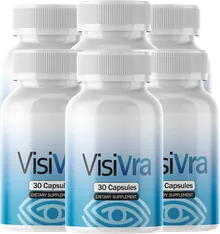
Best Visivra price today: 6 bottles at $49 each (save $780) or 3 bottles at $69 each with free US shipping. One-time payment, no autoship, 60 days to decide.
Check Today’s Discount ›Retinol vs beta-carotene: why it matters
- Preformed vitamin A (retinol, retinyl palmitate) comes from animal foods and supplements. It’s the form with an upper limit.
- Provitamin A carotenoids (beta-carotene) come from plants like carrots, sweet potatoes and spinach. The body converts only what it needs, and there is no upper limit for beta-carotene from food (NIH ODS).
- One exception: some studies found that high-dose beta-carotene supplements raised lung cancer risk in people who smoke or used to (NIH ODS). That is why AREDS2 swapped beta-carotene for lutein and zeaxanthin (NEI); see Visivra for smokers.
Signs you might be getting too much
Too much preformed vitamin A over time can cause headache, nausea and blurred vision (NIH ODS), and high amounts during pregnancy can cause birth defects. This is the reason to count everything: a multivitamin, an eye formula, a fish-liver product and fortified cereal can all add up. Visivra side effects shows how to total your intake.
Who might fall short
The NIH lists groups at higher risk of low vitamin A, including premature infants and people with conditions that interfere with absorbing nutrients, such as celiac disease and ulcerative colitis (NIH ODS). If you have one of those and notice night vision trouble, talk to your doctor; a blood test and a diet review are better than guessing with supplements.
Does extra vitamin A improve eyesight?
No. If your levels are normal, more doesn’t sharpen vision, and it can cause harm. The MedlinePlus night blindness page says vitamin A supplements may help if you’re deficient, and that persistent symptoms should see an eye doctor (MedlinePlus); night trouble in older adults is often cataract instead (halos at night).
An example day of vitamin A from food
You don’t need to count milligrams if your diet is varied. A bowl of fortified cereal with milk, an egg, a side of cooked spinach and a baked sweet potato already puts most adults comfortably in the recommended range, since the sources include dairy, eggs, leafy greens and orange vegetables (NIH ODS). That’s why deficiency is rare in the US, and why a supplement should be about the gaps in your diet, not a default.
Reading labels
- Some labels list vitamin A in IU and others in mcg RAE; ask a pharmacist to convert or use the NIH tables.
- Check whether the amount is “as beta-carotene” or “as retinyl palmitate/acetate.” Only preformed vitamin A counts toward the 3,000 mcg limit (NIH ODS).
- Look at every product you take: multivitamin, eye formula, hair-skin-nails gummy, cod liver oil.
Medicines to flag
Vitamin A supplements can interact with some medicines. The NIH specifically notes that interactions are possible, and isotretinoin and acitretin are related to vitamin A, so extra vitamin A is something to avoid unless your prescriber agrees (NIH ODS; Visivra drug interactions).
Questions
Is vitamin A the same as beta-carotene?
No. Beta-carotene is a plant pigment the body can convert into vitamin A. Preformed vitamin A (retinol) comes from animal foods and supplements.
Can I get too much from food alone?
Very unlikely from plant foods. Preformed vitamin A in liver or in supplements is where excess comes from.
Why is vitamin A a concern in pregnancy?
High intakes of preformed vitamin A during pregnancy can cause birth defects, so supplements need to be checked with your doctor (NIH ODS).
Where Visivra fits
Visivra lists vitamin A among its ingredients but doesn’t publish the amount or form on its order page, so read the label before adding it to a routine that already includes a multivitamin (official page; affiliate link). The practical rule: get most of your vitamin A from food, keep supplement totals below 3,000 mcg and tell your doctor if you’re pregnant or planning to be (Visivra while pregnant).
FAQ
What does vitamin A do for your eyes?
It supports low-light vision and the health of the eye surface. Deficiency causes night blindness and dry eyes.
How much vitamin A is too much?
For adults, 3,000 mcg a day of preformed vitamin A from supplements and animal sources is the upper limit.
Is beta-carotene safer than retinol?
Beta-carotene from food has no upper limit. High-dose beta-carotene supplements raised lung cancer risk in smokers in some studies.
Can vitamin A improve night vision?
Only if you are deficient. Otherwise extra vitamin A doesn’t help and can harm.
Sources
- NIH Office of Dietary Supplements: Vitamin A and carotenoids
- National Eye Institute (NIH): Dry eye
- National Eye Institute (NIH): AREDS/AREDS2 clinical trials
- MedlinePlus (NIH): Vision, night blindness
General information, not medical advice. Prices and product details come from the official Visivra order page and bottle, checked November 6, 2026; the checkout page and the label on your bottle take priority. Read our disclaimer.