What bilberry is
Bilberry (Vaccinium myrtillus) is a European relative of the blueberry with dark flesh rich in anthocyanins. It’s been used for eye health for decades, and the fruit extract is the form studied in eye trials (NCCIH; PubMed). See anthocyanins for eyes for the benefits.
What NCCIH says about safety
The NIH’s National Center for Complementary and Integrative Health notes that bilberry fruit is eaten as food and that extracts have been used safely in studies at doses up to 160 mg a day for up to 6 months. It also cautions that people who take medicines should talk to a health provider first, and that little is known about larger doses in pregnancy and breastfeeding (NCCIH).
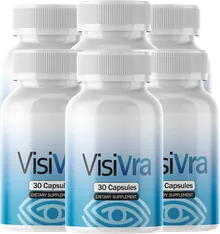
Best Visivra price today: 6 bottles at $49 each (save $780) or 3 bottles at $69 each with free US shipping. One-time payment, no autoship, 60 days to decide.
Check Today’s Discount ›Possible side effects
| Effect | How common | What to do |
|---|---|---|
| Mild stomach upset or nausea | Uncommon | Take with a meal |
| Skin rash or allergy | Rare | Stop and get advice |
| Dark-colored stool | Possible with large amounts of berries | Harmless |
Who should be careful
- People on blood thinners or antiplatelet drugs (warfarin, clopidogrel, daily aspirin): anthocyanins may mildly affect clotting, so ask your doctor and mention it before surgery.
- People with diabetes on medication: bilberry, especially the leaf, has been studied for blood sugar effects. Monitor as usual and tell your doctor. See Visivra for diabetics.
- Pregnant or breastfeeding women: little is known about supplement doses; food amounts are fine (NCCIH).
- Anyone planning surgery: stop herbal supplements beforehand as your surgeon advises.
Fruit extract vs leaf: an important difference
Eye supplements use the berry (fruit) extract. Bilberry leaf preparations are different: they have been used for blood sugar, and large amounts or long-term use of the leaf are considered unsafe because of their tannin content. Check that any product you take says “fruit” or “berry” extract.
How much bilberry is used?
Eye studies have commonly used standardized fruit extracts of around 80–160 mg a day, often standardized to about 25–36% anthocyanins. The 12-week trial in screen workers used a bilberry fruit extract daily (PubMed).
Bilberry in combination formulas
Many eye formulas, including Visivra, combine bilberry with lutein, zeaxanthin and astaxanthin. A placebo-controlled trial of an anthocyanin, astaxanthin and lutein combination found better eye-function scores (PubMed). If you take a combination, you don’t need a separate bilberry pill as well. Check the full list in Visivra ingredients and Visivra side effects.
Bilberry vs blueberry vs black currant
| Fruit | Anthocyanins | Used in eye studies? |
|---|---|---|
| Bilberry | Very high | Yes, most often (PubMed) |
| Blueberry | High | Some |
| Black currant | High | Some |
All are healthy foods. Eating them regularly is a safe way to add anthocyanins, and you don’t need extract for general nutrition (anthocyanins for eyes).
The night-vision myth
A popular story says pilots in World War II ate bilberry jam to see better at night. NCCIH says evidence that bilberry improves night vision is mixed (NCCIH). Don’t buy bilberry hoping to see in the dark; if night vision is poor, get an exam (Visivra for night driving).
Before you start
- Check that the product uses bilberry fruit extract.
- Ask your pharmacist about your medicines.
- Start with the label dose and take it with food.
- Stop if you notice a rash or stomach pain.
Reading standardization on labels
Quality extracts state the anthocyanin percentage, such as “standardized to 25% anthocyanosides.” That helps you compare products. If the label lists only “bilberry extract” with no percentage, you cannot tell how much active compound you are getting.
Bottom line
For most healthy adults, bilberry fruit extract at study doses is a low-risk supplement. Check with your doctor if you’re on blood thinners or diabetes medicines, and avoid high-dose leaf products. See Visivra, with bilberry in a one-a-day eye formula.
FAQ
Is bilberry safe to take every day?
Fruit extract was used safely in studies up to 160 mg a day for 6 months, according to NCCIH.
Does bilberry thin the blood?
It may have mild effects on clotting. Ask your doctor if you take blood thinners.
Can bilberry lower blood sugar?
Bilberry, especially the leaf, has been studied for blood sugar effects. Tell your doctor if you take diabetes medicine.
Is bilberry the same as blueberry?
They’re related, but bilberry has more anthocyanins and is the one used in eye studies.
Sources
- NCCIH (NIH): Bilberry
- PubMed: 12 weeks of bilberry extract and ciliary-muscle findings in visual display terminal workers (Nutrients, 2020)
- PubMed: Anthocyanin, astaxanthin and lutein on eye functions, a randomized placebo-controlled study (J Clin Biochem Nutr, 2021)
General information, not medical advice. Prices and product details come from the official Visivra order page and bottle, checked November 6, 2026; the checkout page and the label on your bottle take priority. Read our disclaimer.