One page instead of five
Instead of a stage-by-stage lecture, here’s what each decade realistically calls for. It’s a guide to reading alongside your doctor’s advice, not a substitute.
| Stage | What changes | What to do |
|---|---|---|
| 20s–30s | Screen strain, dryness, contact lens issues | Blink, 20-20-20, correct glasses, sunglasses, a baseline exam. Healthy adults under 40 can go 5–10 years between complete exams unless they wear contacts (AAO) |
| 40s | Close-up blur begins (presbyopia) | Reading glasses or multifocals (NEI); an eye-disease screening by 40 (AAO) |
| 50s | Higher risk of cataract and early AMD; drier eyes (especially around menopause) | Regular dilated exams, don’t smoke, eat greens and fish (NEI); women over 50 |
| 60s | Cataracts become common; glaucoma risk rises | Dilated exam every 1–2 years (NEI) |
| 70s+ | AMD, cataract, dry eye, medication interactions | Exams every year or two (AAO); medicine list reviewed with your pharmacist; seniors guide |
Habits that pay off at every age
- Sunglasses that block 99–100% of UVA and UVB (NEI); buying guide.
- Not smoking, which raises AMD and cataract risk (NEI).
- Managing blood sugar and blood pressure, since both affect the retina (NEI).
- Screen sense: screens don’t damage eyes permanently, but long sessions without breaks cause strain (AAO).
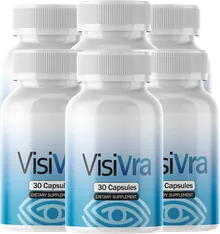
Best Visivra price today: 6 bottles at $49 each (save $780) or 3 bottles at $69 each with free US shipping. One-time payment, no autoship, 60 days to decide.
Check Today’s Discount ›Exams matter more than any supplement
Many eye diseases have no early symptoms, and a dilated exam is the only way to catch them in time (NEI). The NEI advises one every 1 to 2 years if you are over 60, African American and over 40, or have a family history of glaucoma. Full schedule in how often to get an eye exam.
Where nutrition fits at each stage
- Younger adults: food first; if you live on screens, lutein and zeaxanthin have a trial in heavy screen users (PubMed).
- Middle age: build the greens-and-fish habit now; it pays off slowly.
- After 50: if you’re diagnosed with intermediate AMD, ask about an AREDS2 formula (AREDS vs AREDS2). Without that diagnosis, a general formula is optional support, not a safeguard.
We built this site around one such formula, Visivra (affiliate link), and we’d put it last on this page’s priority list, after exams, sunglasses and not smoking.
A conversation worth having with family
Ask your parents and grandparents about eye conditions in the family: glaucoma, macular degeneration, early cataracts, retinal detachment, diabetes. Many of these run in families, and the NEI lists family history of glaucoma among reasons to have a dilated exam every 1 to 2 years (NEI). Write down what you learn and bring it to your next exam.
A checklist by decade
| Decade | Do |
|---|---|
| 20s–30s | Get glasses or contacts that fit; use UV-rated sunglasses; build screen habits; know your family history |
| 40s | Expect reading blur; schedule a baseline eye-disease screening; review your supplements and medicines |
| 50s | Keep a regular exam schedule; reduce risk factors such as smoking; take dryness seriously |
| 60s+ | Dilated exam every 1–2 years; discuss cataracts and glaucoma; bring a current medicine list |
Questions
Do eyes always get worse with age?
Some changes, such as presbyopia, are universal. Others, such as the risk from smoking or sun exposure, are partly in your hands.
When should I start worrying about macular degeneration?
Risk rises with age, and early AMD often has no symptoms, so regular exams matter from middle age (NEI).
What about children’s eyes?
Children need regular eye exams too; the AAO publishes screening guidelines for them (AAO).
Signs to act on at any age
Sudden vision loss, a shadow or curtain, new flashes or floaters, eye pain or distorted straight lines mean get seen now (NEI).
FAQ
What eye problems start at 40?
Presbyopia, the loss of close focus, usually appears around 40. The AAO also advises an eye-disease screening by then.
What eye problems are common after 60?
Cataracts, age-related macular degeneration and glaucoma, which is why the NEI recommends dilated exams every 1 to 2 years.
Should I take eye vitamins in my 30s?
It’s optional. Food, sunglasses and exams matter more; supplements may support screen comfort.
Do eyes get worse with age no matter what?
Some changes, like presbyopia, are universal. Others, like smoking-related risk, are partly in your control.
Sources
- American Academy of Ophthalmology: Eye exams 101
- National Eye Institute (NIH): Presbyopia
- National Eye Institute (NIH): Keep your eyes healthy
- National Eye Institute (NIH): Get a dilated eye exam
- National Eye Institute (NIH): Cataracts
- National Eye Institute (NIH): Diabetic retinopathy
- American Academy of Ophthalmology: Computers, digital devices and eye strain
- PubMed: Macular carotenoid supplementation improves visual performance, sleep quality and physical symptoms in people with high screen time (Foods, 2017)
- National Eye Institute (NIH): Age-related macular degeneration
- National Eye Institute (NIH): Floaters
General information, not medical advice. Prices and product details come from the official Visivra order page and bottle, checked November 6, 2026; the checkout page and the label on your bottle take priority. Read our disclaimer.