Three products, three jobs
| Reading glasses | Computer glasses | Blue-light glasses | |
|---|---|---|---|
| Focus distance | Close (book, phone) | Intermediate, about 20–26 inches (AAO) | No change to focus |
| Purpose | Fix presbyopia up close (NEI) | Reduce strain by matching screen distance | Filter some blue light |
| Prescription? | Off the shelf or prescription | Usually prescription | With or without prescription |
| Evidence | Standard care | Recommended by AAO for long screen days | AAO doesn’t recommend (AAO) |
Why your readers might feel wrong at a desk
If you’re over 40 and wear drugstore readers, you’ve probably noticed that they make a screen look blurry unless you lean in. That’s because they’re made for a nearer distance. Leaning in is where the neck pain comes from. Computer glasses shift the focus point out to where the screen actually is.
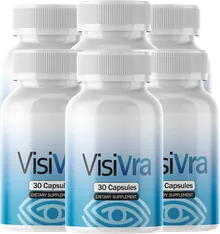
Best Visivra price today: 6 bottles at $49 each (save $780) or 3 bottles at $69 each with free US shipping. One-time payment, no autoship, 60 days to decide.
Check Today’s Discount ›What presbyopia is
Presbyopia is the normal, age-related loss of close focus that usually starts around 40 and continues to progress. The NEI says many people use over-the-counter reading glasses, and an eye doctor can prescribe lenses if you need more precision (NEI). The Academy adds that no exercise program will eliminate the need for them (AAO).
Over-the-counter or prescription?
- Off-the-shelf readers are fine for many people with simple near blur and similar prescriptions in both eyes.
- Get a prescription if your eyes differ, you have astigmatism, you spend hours on a computer or you already wear glasses for distance.
- Get an exam either way. Blur has other causes, some serious (Visivra for blurry vision).
Multifocals and progressives
If you already wear distance glasses, ask about progressives or occupational (office) lenses with a computer zone. The Academy notes that some computer glasses have multifocal lenses to help you shift quickly between close, intermediate and far distances (AAO). They take a few days to get used to, and it’s worth telling your optician exactly how far your screen is.
What to tell your eye doctor
- How many hours a day you use screens, and how far they sit from you.
- Whether you use one screen or several, and what you read on paper.
- Any neck pain or headaches at work.
- Everything you take, including supplements (NEI).
What to expect when you order computer glasses
- Measure your distances. Tell your optician how far your screen is from your eyes; the Academy says intermediate distance is about 20 to 26 inches (AAO).
- Say how many screens you use and whether you also need to see across the room.
- Expect a few days of adjustment, especially with multifocals.
- Ask how to clean them and whether coatings help with glare.
Choosing between lens designs
| If… | Consider |
|---|---|
| You only need help at the screen | Single-vision computer lenses |
| You move between screen, desk papers and the room | Office or occupational progressive lenses |
| You already wear progressives | Ask whether a dedicated computer pair would help |
| You’re on a tight budget | Start with a current prescription and good setup; add lenses later |
Questions
Will computer glasses make my eyes dependent on them?
There’s no sign that they weaken your eyes; they just move the focus point to where you need it. Ask your doctor if you’re concerned.
Are blue-light coatings worth paying extra for?
The AAO says blue-light-blocking glasses haven’t been shown to improve digital eye strain, so we’d put the money toward a proper prescription (AAO).
Can I use computer glasses for driving?
Usually not; they’re tuned for intermediate distance. Use your regular distance glasses for driving.
Do you still need a good routine?
Yes. Glasses don’t replace blinking, breaks and a decent setup (monitor setup). For the nutrition side, lutein and zeaxanthin have a trial in heavy screen users (PubMed); if you want to look at an option, Visivra is one (affiliate link). Glasses first, supplements second.
FAQ
Are computer glasses the same as blue light glasses?
No. Computer glasses are prescription lenses tuned for screen distance. Blue-light glasses filter light and aren’t recommended by the AAO for strain.
Can I use reading glasses at my computer?
You can, but they’re designed for closer work, so screens often look blurry unless you lean in.
Do I need computer glasses under 40?
Not usually, unless you have an uncorrected prescription or significant strain. An exam will tell you.
Are drugstore readers bad for my eyes?
They won’t harm your eyes, but they may not match your exact prescription. An exam is still worth having.
Sources
- American Academy of Ophthalmology: Computers, digital devices and eye strain
- National Eye Institute (NIH): Presbyopia
- American Academy of Ophthalmology: Should you be worried about blue light?
- American Academy of Ophthalmology: Vision training not proven to make vision sharper
- National Eye Institute (NIH): Get a dilated eye exam
- PubMed: Macular carotenoid supplementation improves visual performance, sleep quality and physical symptoms in people with high screen time (Foods, 2017)
General information, not medical advice. Prices and product details come from the official Visivra order page and bottle, checked November 6, 2026; the checkout page and the label on your bottle take priority. Read our disclaimer.