What fish oil does for eyes
Omega-3 fatty acids are part of a healthy tear film. The National Eye Institute lists low omega-3 intake among dry-eye risk factors (NEI) and recommends omega-3-rich fish such as salmon and tuna as part of an eye-healthy diet (NEI).
What fish oil doesn’t do
In AREDS2, NIH added omega-3s to the eye formula to see if they slowed macular degeneration. They did not (PubMed). Omega-3 also contains no lutein or zeaxanthin, so it doesn’t build macular pigment.
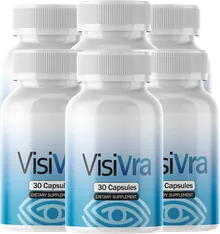
Best Visivra price today: 6 bottles at $49 each (save $780) or 3 bottles at $69 each with free US shipping. One-time payment, no autoship, 60 days to decide.
Check Today’s Discount ›Side by side
| Visivra | Fish oil | |
|---|---|---|
| Macular pigment (lutein, zeaxanthin) | Yes | No |
| Anthocyanins (bilberry) | Yes | No |
| Astaxanthin | Yes | Only in some krill oils |
| Vitamin A + zinc | Yes | No (unless cod liver oil) |
| Omega-3 fats | No | Yes |
Can you take both?
Usually yes, since they don’t overlap, with one exception: cod liver oil contains preformed vitamin A, so combining it with other vitamin A sources can push you too high (NIH ODS). If you take blood thinners, ask your doctor about fish oil. For dry eyes specifically, see vitamins for dry eyes and Visivra for dry eyes.
Omega-3 and dry eye: what the evidence really says
Omega-3 fatty acids (EPA and DHA) are part of cell membranes throughout the body and play a role in inflammation. For eyes, interest has focused on the tear film. The National Eye Institute lists not getting enough omega-3 among the risk factors for dry eye (NEI). However, the largest well-controlled trial, the NEI-funded DREAM study of 535 people, found 3,000 mg a day of fish oil no better than an olive-oil placebo for dry eye (NEI), so it is reasonable to get omega-3 from food first: two servings of oily fish a week is a common goal. That is also the NEI’s general eye-health advice (NEI).
Why eye formulas don’t usually include fish oil
- AREDS2 tested it: adding omega-3s to the eye formula did not slow AMD progression (PubMed).
- Capsule size: meaningful doses of fish oil need large softgels, which don’t combine well with powders in a single capsule.
- Freshness: fish oil can oxidise and taste fishy; carotenoids and plant extracts are more stable in a dry capsule.
So rather than a weakness, the absence of fish oil in Visivra reflects the evidence and practical formulation choices.
A simple combined plan
| Goal | What to do |
|---|---|
| Macular pigment | Visivra daily with a meal + leafy greens (foods high in lutein) |
| Tear film | Oily fish twice a week, or a plain fish oil if your doctor suggests one |
| Screen comfort | 20-20-20 breaks and full blinks (CDC) |
| Low-light vision | Vitamin A and zinc from Visivra and diet |
| Long-term health | Dilated exams, UV-blocking sunglasses, no smoking |
Cod liver oil: the one to watch
Cod liver oil is different from regular fish oil because it contains preformed vitamin A (and vitamin D). Taking it together with other vitamin A sources can push your total above the NIH upper limit of 3,000 mcg a day for adults, and high preformed vitamin A is especially risky in pregnancy (NIH ODS). If you use cod liver oil, show both labels to a pharmacist before adding Visivra or any other supplement with vitamin A.
Which should you start with?
If your main issue is dry, burning eyes and you rarely eat fish, start by adding fish to your diet and see an eye doctor if dryness persists (vitamins for dry eyes). If your main issues are screen fatigue, focus late in the day or night-driving comfort, Visivra targets those directly. Many people end up doing both, which is fine as long as you avoid cod liver oil stacking.
Reader questions about fish oil and Visivra
Should I take them at the same time?
Taking both with the same meal is convenient, and the fat in fish oil may even help carotenoid absorption. Just avoid cod liver oil if you are already getting vitamin A from other supplements (NIH ODS).
Is krill oil better because it has astaxanthin?
Krill oil contains small amounts of astaxanthin, but it doesn’t provide lutein, zeaxanthin, bilberry, zinc or vitamin A. It’s an omega-3 product first.
I’m vegetarian. How do I get omega-3?
Algae-based omega-3 supplements provide DHA and EPA without fish. Flax, chia and walnuts give ALA, which the body converts only partly.
Which one should a screen worker start with?
If your main complaint is tired, strained eyes after long screen days, start with the nutrients studied in screen users: lutein, zeaxanthin and bilberry (PubMed; PubMed). If your main complaint is burning, gritty, dry eyes, look at blink habits, humidity and your environment first, and see an eye doctor if it continues. Many people have both problems, and the two approaches combine well.
One more reader question
Does fish oil help night vision?
Not directly. Vitamin A and zinc are the night-vision nutrients.
Bottom line
Eat fish for omega-3s; take Visivra for macular and retinal nutrients. Add Visivra to your routine.
FAQ
Is fish oil better than Visivra for eyes?
They do different jobs: fish oil supplies omega-3 fats; Visivra supplies macular carotenoids, antioxidants, zinc and vitamin A.
Can I take Visivra with fish oil?
Generally yes. Avoid cod liver oil on top of other vitamin A sources, and ask your doctor if you take blood thinners.
Does Visivra contain omega-3?
No. Its six nutrients are lutein, zeaxanthin, bilberry extract, astaxanthin, zinc and vitamin A.
Sources
- National Eye Institute (NIH): Dry eye
- National Eye Institute (NIH): Keep your eyes healthy
- PubMed: Lutein + zeaxanthin and omega-3 fatty acids for AMD, the AREDS2 randomized trial (JAMA, 2013)
- NIH Office of Dietary Supplements: Vitamin A and carotenoids
- National Eye Institute (NIH): Omega-3s from fish oil supplements no better than placebo for dry eye (DREAM trial, 2018)
- CDC: Preventing vision loss
- PubMed: Macular carotenoid supplementation improves visual performance, sleep quality and physical symptoms in people with high screen time (Foods, 2017)
- PubMed: 12 weeks of bilberry extract and ciliary-muscle findings in visual display terminal workers (Nutrients, 2020)
General information, not medical advice. Prices and product details come from the official Visivra order page and bottle, checked November 6, 2026; the checkout page and the label on your bottle take priority. Read our disclaimer.