What an eye twitch actually is
An eyelid twitch, or tic, is a small spasm of the upper or lower eyelid. It can come on suddenly and last a minute, hours or even days. For most people it’s a brief nuisance that doesn’t affect vision (AAO). It’s alarming mostly because it’s right there on your face and nobody else can see it.
The usual suspects
When a twitch lasts a long time or comes back often, the Academy points to a short list of causes (AAO):
| Trigger | What to try |
|---|---|
| Not enough sleep | A few proper nights of rest; twitches often follow overtired stretches |
| Stress | Whatever you can do to reduce it, even small things like walking or breaks |
| Too much caffeine | Cut back on coffee, tea and soda for a week and see |
| Dry or irritated eyes | Artificial tears, more blinking, better humidity (dry eyes in winter) |
| Eye strain from screens | Breaks and a better setup (monitor setup) |
Other things that people commonly mention include allergies and some medications. If a twitch started soon after a new medicine, mention it to your doctor or pharmacist.
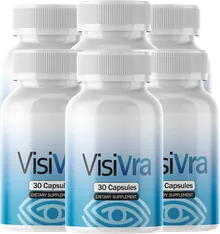
Best Visivra price today: 6 bottles at $49 each (save $780) or 3 bottles at $69 each with free US shipping. One-time payment, no autoship, 60 days to decide.
Check Today’s Discount ›Is it ever something serious?
Rarely. Neurological conditions such as blepharospasm and hemifacial spasm can make eyelid muscles contract, but they tend to look different from a normal twitch: the eyelids close more fully and for longer, vision can be limited, and other muscles in the face may be involved (AAO). If that sounds like you, book an appointment rather than waiting it out.
When to see someone
- The twitch has lasted several weeks or keeps coming back.
- Your eyelid closes completely with each spasm, or droops.
- Other parts of your face twitch too.
- Your eye is red, swollen, painful or has discharge.
- Your vision changes.
Do supplements help eye twitching?
You’ll see claims that magnesium or a particular vitamin stops twitching. We couldn’t find solid evidence for an eye-specific fix, and the Academy’s advice is built on sleep, stress, caffeine and dry eye. So we wouldn’t buy a supplement for it. If your eyes are also tired after long screen days, the questions in tired eyes remedies cover what’s worth trying, and an eye formula such as Visivra (affiliate link) is a separate decision about general eye nutrition, not a twitch treatment.
What to tell the doctor if you go
- Which eyelid, and whether one eye or both.
- How long it has lasted and how often it comes back.
- Whether the eyelid closes fully or other parts of your face move.
- Your caffeine intake, sleep, stress and screen time.
- New medicines or supplements.
Twitch, tic or something else?
| What you feel | Likely meaning |
|---|---|
| Small flutter in one eyelid, comes and goes | The usual harmless eyelid twitch (AAO) |
| Lids that clamp shut, both eyes, hard to open | Needs medical review; this pattern is different from a normal twitch |
| Twitching in the cheek or mouth as well | See a doctor; other facial muscles may be involved |
| Eyelid droops | Get it checked |
Questions
Can screens cause eye twitching?
Eye strain and dryness from long screen sessions are listed among common triggers, so breaks and better blinking are a sensible first step (AAO; AAO).
How much caffeine is too much?
There’s no single number. Try halving your intake for a week and see whether the twitch eases; the Academy lists too much caffeine as a trigger.
Does magnesium help?
We couldn’t find good evidence for an eye-specific benefit, so we don’t recommend buying it for this. Ask your doctor if you’re concerned about your diet.
A simple one-week reset
- Sleep seven or more hours for a week.
- Halve your caffeine, especially after noon.
- Use the 20-20-20 habit at the screen (NEI).
- Use drops if your eyes feel dry.
- If it’s still going after a few weeks, get it looked at.
FAQ
What causes eye twitching?
Most often tiredness, stress, too much caffeine, or dry or irritated eyes, according to the American Academy of Ophthalmology.
How long does an eye twitch last?
Usually from a minute to a few days. If it lasts weeks or keeps returning, see a doctor.
Is eye twitching a sign of a brain problem?
Very rarely. Conditions like blepharospasm are different from a normal twitch because the eyelids close more fully and other facial muscles may be involved.
Can dry eyes cause twitching?
Yes. Irritated or dry eyes are one of the listed triggers.
Sources
- American Academy of Ophthalmology: Eye twitching causes and treatment
- American Academy of Ophthalmology: Computers, digital devices and eye strain
- National Eye Institute (NIH): Keep your eyes healthy
General information, not medical advice. Prices and product details come from the official Visivra order page and bottle, checked November 6, 2026; the checkout page and the label on your bottle take priority. Read our disclaimer.